
CYP19A1 Antibodies
Background
The CYP19A1 gene encodes the aromatase enzyme, which is a key enzyme belonging to the cytochrome P450 superfamily. It mainly catalyzes the conversion of androgens to estrogens, and this process plays a central role in the steroidogenesis pathway. This gene is expressed in various tissues such as the gonads (such as the ovaries and testes), placenta, brain, and adipose tissue. Its function is crucial for physiological processes such as reproductive development, bone health, and fat metabolism. Mutations or abnormal expression of this gene are closely related to various diseases, including diseases related to estrogen deficiency or excess (such as osteoporosis, endometrial cancer), breast cancer, and aromatase excess syndrome. The structure and expression regulation of the CYP19A1 gene have been extensively studied since its cloning and localization in the 1990s. Its complex tissue-specific promoter regulatory mechanism has attracted particular attention, not only providing an important foundation for understanding steroid hormone biosynthesis, but also laying a crucial scientific basis for the development and application of aromatase inhibitor drugs.
Structure of CYP19A1
The molecule of the aromatase encoded by the CYP19A1 gene has a molecular weight of approximately 58 kDa. This value varies slightly among different species due to differences in amino acid sequences.
| Species | Human | Bovine | Mouse | Rat |
| Molecular Weight (kDa) | 58 | 57.8 | 58.2 | 58.1 |
| Primary Structural Differences | Containing 509 amino acids and located in the endoplasmic reticulum | High homology with humans | There were more tissue-specific splice variants | The catalytic domain is highly conserved |
Aromatase, as a member of the cytochrome P450 superfamily, has a protein structure that includes a conserved P450 domain and a heme binding region. This enzyme interacts with the substrate through the iron ion in the heme cofactor and catalyzes the aromatization of the androgen A ring to form an estrogen. Its active center is composed of multiple α-helices and β-sheets, forming a hydrophobic substrate binding pocket. Helix I and helix K are involved in the coupling of the electron transfer chain, while the conserved threonine and aspartic acid residues play a key role in proton transfer and catalytic efficiency. The transmembrane domain of this enzyme anchors it to the endoplasmic reticulum membrane, ensuring effective interaction with NADPH-cytochrome P450 reductase.
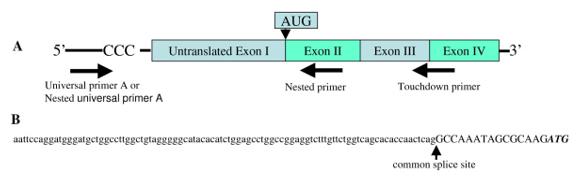 Fig. 1 Discovery of a novel exon of Cyp19a1 in the adipose tissue of male mice.1
Key structural properties of CYP19A1:
- Typical cytochrome P450 folding structure
- Highly conserved heme binding domain
- Substrate recognition site determines androgen specificity
- Transmembrane helix anchors to endoplasmic reticulum membrane
- Redox partner binding region mediates electron transfer
Functions of CYP19A1
The core function of the aromatase encoded by the CYP19A1 gene is to catalyze the conversion of androgens into estrogens. However, it also plays a crucial role in various physiological processes, including reproductive development, bone metabolism, and regulation of fat distribution.
| Function | Description |
| Estrogen Synthesis | It catalyzes the conversion of androstenedione and testosterone into estrone and estradiol, and is the rate-limiting enzyme in the biosynthesis of estrogens. |
| Reproductive Regulation | Expressed in ovarian granulosa cells, it regulates follicle development, ovulation and corpus luteum formation, and maintains the normal reproductive cycle. |
| Bone Homeostasis | It participates in bone metabolism, promotes the closure of epiphyses and maintains bone mass, and prevents osteoporosis. |
| Fat Metabolism | Expressed in adipose tissue, it affects the differentiation and distribution of fat cells and regulates the overall energy balance of the body. |
| Brain Function Regulation | Expressed in specific areas of the brain, it participates in neuroprotection, synaptic plasticity, and regulation of cognitive functions. |
The catalytic reaction of aromatase requires electrons provided by NADPH and cytochrome P450 reductase. Its tissue-specific expression is regulated by multiple promoters to ensure precise control of local and systemic estrogen levels under different physiological conditions.
Applications of CYP19A1 and CYP19A1 Antibody in Literature
1. Zhao, Hong, et al. "A novel promoter controls Cyp19a1 gene expression in mouse adipose tissue." Reproductive Biology and Endocrinology 7.1 (2009): 37. https://doi.org/10.1186/1477-7827-7-37
For the first time, the expression of aromatase was found to be specifically present in the adipose tissue of the male mouse gonads. Through the 5'-RACE technique, a new adipose tissue-specific first exon and its hormone regulatory promoter were cloned. The 5' regulatory region of the Cyp19a1 gene was expanded to 75kb.
2. Sahlman, H., et al. "Altered activities of CYP1A1 and CYP19A1 enzymes in women using SSRI medication during pregnancy." Placenta 129 (2022): 30-35. https://doi.org/10.1016/j.placenta.2022.09.013
The research has found that the use of SSRI drugs during pregnancy significantly reduces the enzyme activities of CYP19A1 and CYP1A1 in the placenta, which may disrupt the maternal hormone balance and the metabolism of exogenous substances, posing potential risks to both the fetus and the pregnant woman.
3. Rzemieniec, J., et al. "The neuroprotective action of 3, 3′-diindolylmethane against ischemia involves an inhibition of apoptosis and autophagy that depends on HDAC and AhR/CYP1A1 but not ERα/CYP19A1 signaling." Apoptosis 24.5 (2019): 435-452. https://doi.org/10.1007/s10495-019-01522-2
It has been confirmed for the first time that DIM has a strong protective effect on ischemic brain neurons. The mechanism involves inhibiting apoptosis and autophagy, regulating the AhR/CYP1A1 signaling pathway and HDAC activity, but does not affect the expression of ERα/CYP19A1, providing a new strategy for neuroprotection.
4. Liu, Lilong, et al. "Targeting inhibition of prognosis-related lipid metabolism genes including CYP19A1 enhances immunotherapeutic response in colon cancer." Journal of Experimental & Clinical Cancer Research 42.1 (2023): 85. https://doi.org/10.1186/s13046-023-02647-8
Based on lipid metabolism genes, a risk model was constructed. It was found that CYP19A1, through the GPR30-AKT signaling pathway, upregulated PD-L1 and other factors, promoting abnormal blood vessels and inhibiting the function of CD8+ T cells. Inhibiting CYP19A1 can enhance the effect of PD-1 therapy, providing a new strategy for immunotherapy of colon cancer.
5. Gagliardi, Lucia, et al. "A case of aromatase deficiency due to a novel CYP19A1 mutation." BMC endocrine disorders 14.1 (2014): 16. https://doi.org/10.1186/1472-6823-14-16
Report a case of a 32-year-old rare aromatase deficiency diagnosed patients, found that explicit 8 new 27 CYP19A1 gene variation. The patient exhibited disorders of sexual development, cord-like ovaries, and metabolic abnormalities, expanding the clinical and mutation spectrum of this disease.
Creative Biolabs: CYP19A1 Antibodies for Research
Creative Biolabs specializes in the production of high-quality CYP19A1 antibodies for research and industrial applications. Our portfolio includes monoclonal and polyclonal antibodies tailored for ELISA, Flow Cytometry, Western blot, immunohistochemistry, and other diagnostic methodologies.
- Custom CYP19A1 Antibody Development: Tailor-made solutions to meet specific research requirements.
- Bulk Production: Large-scale antibody manufacturing for industry partners.
- Technical Support: Expert consultation for protocol optimization and troubleshooting.
- Aliquoting Services: Conveniently sized aliquots for long-term storage and consistent experimental outcomes.
For more details on our CYP19A1 antibodies, custom preparations, or technical support, contact us at email.
Reference
- Zhao, Hong, et al. "A novel promoter controls Cyp19a1 gene expression in mouse adipose tissue." Reproductive Biology and Endocrinology 7.1 (2009): 37. Distributed under Open Access license CC BY 2.0, without modification. https://doi.org/10.1186/1477-7827-7-37
Anti-CYP19A1 antibodies
 Loading...
 Compare




Hot products 
-
Rabbit Anti-ENO2 Recombinant Antibody (BA0013) (CBMAB-0272CQ)

-
Mouse Anti-ASTN1 Recombinant Antibody (H-9) (CBMAB-1154-CN)

-
Mouse Anti-8-oxoguanine Recombinant Antibody (V2-7719) (CBMAB-1898CQ)

-
Mouse Anti-ATM Recombinant Antibody (2C1) (CBMAB-A3970-YC)

-
Mouse Anti-GFAP Recombinant Antibody (20) (CBMAB-G2914-LY)

-
Mouse Anti-ADIPOR2 Recombinant Antibody (V2-179983) (CBMAB-A1369-YC)

-
Mouse Anti-ADIPOR1 Recombinant Antibody (V2-179982) (CBMAB-A1368-YC)

-
Rabbit Anti-AKT2 (Phosphorylated S474) Recombinant Antibody (V2-556130) (PTM-CBMAB-0605LY)

-
Mouse Anti-ENO1 Recombinant Antibody (8G8) (CBMAB-E1329-FY)

-
Mouse Anti-APC Recombinant Antibody (CBYC-A661) (CBMAB-A3036-YC)

-
Human Anti-SARS-CoV-2 Spike Recombinant Antibody (CBC05) (CBMAB-CR005LY)

-
Rat Anti-C5AR1 Recombinant Antibody (8D6) (CBMAB-C9139-LY)

-
Mouse Anti-CCN2 Recombinant Antibody (CBFYC-2383) (CBMAB-C2456-FY)

-
Rat Anti-ABCC11 Recombinant Antibody (V2-179001) (CBMAB-A0236-YC)

-
Mouse Anti-ALDOA Recombinant Antibody (A2) (CBMAB-A2316-YC)

-
Mouse Anti-CD19 Recombinant Antibody (CBXC-1224) (CBMAB-C1491-CQ)

-
Mouse Anti-ARID3A Antibody (A4) (CBMAB-0128-YC)

-
Mouse Anti-APOE Recombinant Antibody (A1) (CBMAB-0078CQ)

-
Mouse Anti-BRCA2 Recombinant Antibody (CBYY-0790) (CBMAB-0793-YY)

-
Mouse Anti-FOXL1 Recombinant Antibody (CBXF-0845) (CBMAB-F0462-CQ)

- AActivation
- AGAgonist
- APApoptosis
- BBlocking
- BABioassay
- BIBioimaging
- CImmunohistochemistry-Frozen Sections
- CIChromatin Immunoprecipitation
- CTCytotoxicity
- CSCostimulation
- DDepletion
- DBDot Blot
- EELISA
- ECELISA(Cap)
- EDELISA(Det)
- ESELISpot
- EMElectron Microscopy
- FFlow Cytometry
- FNFunction Assay
- GSGel Supershift
- IInhibition
- IAEnzyme Immunoassay
- ICImmunocytochemistry
- IDImmunodiffusion
- IEImmunoelectrophoresis
- IFImmunofluorescence
- IGImmunochromatography
- IHImmunohistochemistry
- IMImmunomicroscopy
- IOImmunoassay
- IPImmunoprecipitation
- ISIntracellular Staining for Flow Cytometry
- LALuminex Assay
- LFLateral Flow Immunoassay
- MMicroarray
- MCMass Cytometry/CyTOF
- MDMeDIP
- MSElectrophoretic Mobility Shift Assay
- NNeutralization
- PImmunohistologyp-Paraffin Sections
- PAPeptide Array
- PEPeptide ELISA
- PLProximity Ligation Assay
- RRadioimmunoassay
- SStimulation
- SESandwich ELISA
- SHIn situ hybridization
- TCTissue Culture
- WBWestern Blot
