
CCNF Antibodies
Background
Cyclin F is a member of the cyclin family encoded by the CCNF gene and is also an important component of the F-box protein family. It plays a crucial regulatory role in the G1/S and G2/M transitions of the cell cycle, ensuring the precise operation of the cell cycle by mediating the ubiquitination degradation of specific substrates. Studies have shown that mutations in the CCNF gene are closely related to the pathogenesis of amyotrophic lateral sclerosis/frontotemporal dementia. At the same time, this gene is generally highly expressed in various cancers and is significantly associated with poor patient prognosis. As a key molecule regulating cell proliferation and neurodegeneration, CCNF has become an important focus of research on disease mechanisms and potential therapeutic targets.
Structure of CCNF
The protein encoded by the CCNF gene, Cyclin F, has a molecular weight of approximately 69 kDa. Its amino acid sequence is highly conserved among different species, especially in key regions such as the F-box domain.
| Species | Human | Mice | Zebrafish |
|---|---|---|---|
| Molecular Weight (kDa) | 69 | 69.5 | 68.5 |
| Primary Structural Differences | Classical F-box and cyclin domains | High homology, conserved functional domains | High homology |
This protein contains approximately 620 amino acids. Its N-terminal contains an F-box motif for binding SKP1 to form the SCF E3 ubiquitin ligase complex, and its C-terminal recognizes specific substrates through the cyclin domain. This structure enables Cyclin F to precisely regulate the ubiquitination and degradation of cell cycle proteins and various substrates, thereby participating in cell cycle processes, DNA damage repair, and neural development, etc.
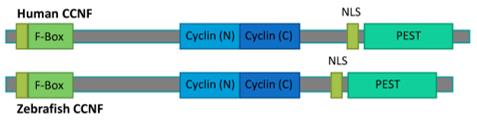 Fig. 1 Schematic overview of CCNF protein.1
Key structural features of Cyclin F (CCNF):
- N-terminal F-box motif: Mediates the formation of the SCF ubiquitin ligase complex
- C-terminal Cyplin domain: Specifically recognizes and binds to substrate proteins
- The substrate binding interface is highly conserved: Ensures precise regulation of the cell cycle and protein degradation
Functions of CCNF
The Cyclin F protein encoded by the CCNF gene mainly regulates the cell cycle and protein homeostasis through the SCF E3 ubiquitin ligase complex. Its specific functions are as follows:
| Function | Description |
| Cell Cycle Regulation | Mediate the ubiquitination degradation of key cyclins, precisely controlling the G1/S and G2/M transitions. |
| Substrate Recognition and Degradation | Specifically recognize substrates through the Cyclin domain, marking them for proteasome degradation. |
| Neurodevelopmental Maintenance | Regulate the protein homeostasis of neurons, and its mutations are associated with neurodegenerative diseases such as ALS/FTD. |
| Genome Stability | Participate in the DNA damage repair pathway, ensuring the integrity of the genome during cell division. |
| Tumor Progression Regulation | Highly expressed in various cancers, influencing the malignancy of tumors by promoting proliferation and inhibiting apoptosis. |
Cyclin F has highly selective recognition of substrates. Its dysfunction will simultaneously affect the cell cycle process and the survival of neurons, demonstrating the dual regulatory role of this molecule in proliferating cells and terminally differentiated cells.
Applications of CCNF and CCNF Antibody in Literature
1. Aksoy, Yagiz Alp, et al. "Zebrafish CCNF and FUS mediate stress-specific motor responses." Cells 13.5 (2024): 372. https://doi.org/10.3390/cells13050372
In this study, zebrafish models with defects in the ccnf and fus genes were constructed using gene editing technology. The ccnf deficiency led to abnormal development of motor neurons, while the fus deficiency only caused movement disorders under stress. These two models provide an important platform for exploring the pathogenesis of ALS and drug screening.
2. Farrawell, Natalie E., et al. "ALS-linked CCNF variant disrupts motor neuron ubiquitin homeostasis." Human Molecular Genetics 32.14 (2023): 2386-2398. https://doi.org/10.1093/hmg/ddad063
The study found that the S621G mutation of the CCNF gene alters the activity of the E3 ubiquitin ligase, disrupting the ubiquitin homeostasis and causing dysfunction of the proteasome. This reveals the key pathological mechanism of CCNF-related ALS/FTD.
3. Wei, Lifang, et al. "CCNF is a potential pancancer biomarker and immunotherapy target." Frontiers in oncology 13 (2023): 1109378. https://doi.org/10.3389/fonc.2023.1109378
Studies have shown that CCNF is highly expressed in various cancers and is associated with poor prognosis. Its overexpression may be caused by hypomethylation and leads to reduced immune cell infiltration. miR-98-5p can negatively regulate CCNF, suggesting that it can serve as a pan-cancer biomarker and an immunotherapy target.
4. Zhao, Bi, et al. "Genetic and phenotypic spectrum of amyotrophic lateral sclerosis patients with CCNF variants from a large Chinese cohort." Molecular Neurobiology 60.7 (2023): 4150-4160. https://doi.org/10.1007/s12035-023-03380-1
By analyzing ALS patients from China and multiple ethnic groups, it was found that the variations of the CCNF gene exhibit ethnic differences. Different ethnic groups have significant differences in incidence rate, gender ratio and clinical phenotype, providing a new perspective for understanding its pathogenic mechanism.
5. Gao, Xiaofeng, et al. "A comprehensive analysis of the prognostic, immunological and diagnostic role of CCNF in pan-cancer." Journal of Cancer 14.13 (2023): 2431. https://doi.org/10.7150/jca.86597
The study found that CCNF is highly expressed in various cancers and has the value of early diagnosis. It is also associated with poor prognosis and immune infiltration. It exerts its carcinogenic effect by participating in pathways such as the cell cycle, and is a potential pan-cancer biomarker and therapeutic target.
Creative Biolabs: CCNF Antibodies for Research
Creative Biolabs specializes in the production of high-quality CCNF antibodies for research and industrial applications. Our portfolio includes monoclonal and polyclonal antibodies tailored for ELISA, Flow Cytometry, Western blot, immunohistochemistry, and other diagnostic methodologies.
- Custom CCNF Antibody Development: Tailor-made solutions to meet specific research requirements.
- Bulk Production: Large-scale antibody manufacturing for industry partners.
- Technical Support: Expert consultation for protocol optimization and troubleshooting.
- Aliquoting Services: Conveniently sized aliquots for long-term storage and consistent experimental outcomes.
For more details on our CCNF antibodies, custom preparations, or technical support, contact us at email.
Reference
- Aksoy, Yagiz Alp, et al. "Zebrafish CCNF and FUS mediate stress-specific motor responses." Cells 13.5 (2024): 372. Distributed under Open Access license CC BY 4.0, and cropped from the original figure.https://doi.org/10.3390/cells13050372
Anti-CCNF antibodies
 Loading...
 Compare




Hot products 
- AActivation
- AGAgonist
- APApoptosis
- BBlocking
- BABioassay
- BIBioimaging
- CImmunohistochemistry-Frozen Sections
- CIChromatin Immunoprecipitation
- CTCytotoxicity
- CSCostimulation
- DDepletion
- DBDot Blot
- EELISA
- ECELISA(Cap)
- EDELISA(Det)
- ESELISpot
- EMElectron Microscopy
- FFlow Cytometry
- FNFunction Assay
- GSGel Supershift
- IInhibition
- IAEnzyme Immunoassay
- ICImmunocytochemistry
- IDImmunodiffusion
- IEImmunoelectrophoresis
- IFImmunofluorescence
- IGImmunochromatography
- IHImmunohistochemistry
- IMImmunomicroscopy
- IOImmunoassay
- IPImmunoprecipitation
- ISIntracellular Staining for Flow Cytometry
- LALuminex Assay
- LFLateral Flow Immunoassay
- MMicroarray
- MCMass Cytometry/CyTOF
- MDMeDIP
- MSElectrophoretic Mobility Shift Assay
- NNeutralization
- PImmunohistologyp-Paraffin Sections
- PAPeptide Array
- PEPeptide ELISA
- PLProximity Ligation Assay
- RRadioimmunoassay
- SStimulation
- SESandwich ELISA
- SHIn situ hybridization
- TCTissue Culture
- WBWestern Blot
