
CXCL5 Antibodies
Background
CXCL5 belongs to the CXC chemokine family and is a small molecule secreted protein mainly produced by epithelial cells, endothelial cells and various immune cells. The protein encoded by this gene plays a key role in infection, tissue damage and inflammatory responses by binding to and activating the chemokine receptor CXCR2 on the cell surface, mediating the directional migration and activation of immune cells such as neutrophils. Research has found that CXCL5 is abnormally highly expressed in various tumor microenvironments and can promote angiogenesis, tumor growth and metastasis. Therefore, it is regarded as a potential therapeutic target for cancer. This gene was first identified in the 1990s. The continuous research on its structure and function has provided an important foundation for understanding the mechanism of inflammatory regulation and developing intervention strategies for related diseases.
Structure of CXCL5
CXCL5 is a small secreted protein with a molecular weight of approximately 11.0 kDa. Its molecular weight varies slightly among different mammalian species, mainly due to the subtle differences in the processing of signal peptides and precursor peptides, but the core functional domain of its mature protein is highly conserved.
| Species | Human | Mouse | Rat | Bovine |
| Molecular Weight (kDa) | ~11.0 | ~10.8 | ~10.9 | ~11.1 |
| Primary Structural Differences | Contains signal peptide, mature peptide is 78 amino acids | Highly homologous amino acid sequence, key receptor sites | High sequence similarity with human CXCL5 was observed | Individual amino acid substitutions are present, but the overall 3D conformation is similar |
The CXCL5 protein belongs to the CXC chemokine family. Its primary structure contains a conserved tetracysteine skeleton (CXC motif) and forms a stable three-dimensional structure through disulfide bonds (typically Cys30-Cys55 and Cys35-Cys66, taking human numbering as an example). The secondary structure of this protein is mainly composed of three reverse parallel β -folds and a C-terminal α -helix. This characteristic "chemokine fold" forms the interface for its binding to the receptor CXCR2. Its N-terminal (especially the ELR motif: glutamate-leucine-arginine) is crucial for receptor activation and function.
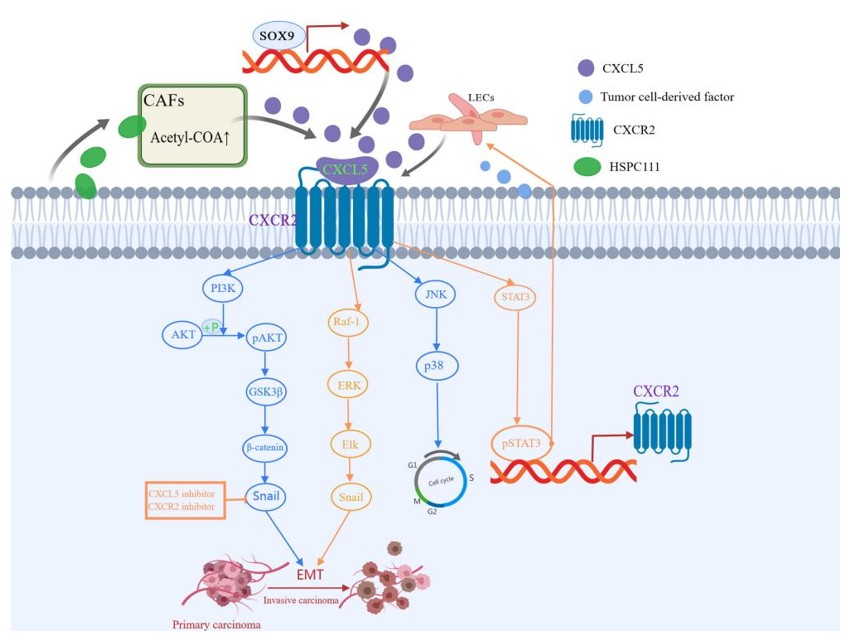 Fig. 1 CXCL5: A Multifaceted Mediator in Gout, Cerebral Ischemia, and Cancer.1
Key structural properties of CXCL5:
- Characteristic chemokine folding structure
- Stable disulfide bond network
- Conservative ELR motif
Functions of CXCL5
The main function of the CXCL5 gene is to act as a chemokine to mediate and regulate inflammatory responses. However, it is also widely involved in a variety of pathophysiological processes, including tumor progression and tissue repair.
| Function | Description |
| Chemotaxis of immune cells | As a potent chemical attractant, it specifically recruits and activates neutrophils expressing CXCR2 receptors to the site of inflammation or injury. |
| Angiogenesis regulation | In various scenarios such as the tumor microenvironment, new blood vessel formation is stimulated by promoting the proliferation and migration of endothelial cells. |
| Tissue repair and remodeling | In the later stage of injury, it participates in tissue repair and fibrosis processes by regulating the infiltration of inflammatory cells and the activity of fibroblasts. |
| Promotion of tumor progression | Expression, in a variety of cancer through raise pulp source sex cells, and promote angiogenesis inhibition mechanism, boost tumor growth, invasion and metastasis. |
| Host defense | In the early stage of infection, the rapid recruitment of neutrophils to the site of pathogen invasion is a key link in the innate immune response. |
The binding of CXCL5 to its receptor CXCR2 exhibits typical ligand-receptor specificity, and its effect strongly depends on the N-terminal conserved ELR motif. This is in sharp contrast to the usual inhibitory effect on angiogenesis of CXC chemokines without the ELR motif (such as CXCL4 and CXCL10). It highlights its core role in promoting inflammation and angiogenesis.
Applications of CXCL5 and CXCL5 Antibody in Literature
1. Yin, Chengyu, et al. "CXCL5 activates CXCR2 in nociceptive sensory neurons to drive joint pain and inflammation in experimental gouty arthritis." Nature communications 15.1 (2024): 3263. https://doi.org/10.1038/s41467-024-47640-7
The article indicates that in gouarthritis, CXCL5 activates CXCR2 on sensory neurons, triggering TRPA1-mediated pain and neuropeptide release, thereby promoting neutrophil infiltration and inflammation. This mechanism has been verified in animal models and patient samples.
2. Deng, Jie, et al. "CXCL5: A coachman to drive cancer progression." Frontiers in Oncology 12 (2022): 944494. https://doi.org/10.3389/fonc.2022.944494
The article indicates that in the tumor microenvironment, the chemokine CXCL5 promotes tumor angiogenesis, metastasis and forms an immunosuppressive microenvironment by binding to the receptor CXCR2, making it a potential new target for tumor treatment.
3. Cao, Qian, et al. "Astrocytic CXCL5 hinders microglial phagocytosis of myelin debris and aggravates white matter injury in chronic cerebral ischemia." Journal of Neuroinflammation 20.1 (2023): 105. https://doi.org/10.1186/s12974-023-02780-3
Research has found that in chronic cerebral ischemia, CXCL5 released by astrocytes inhibits microglia from phagocytosing myelin fragments through CXCR2 signaling, thereby exacerbating white matter damage and cognitive decline.
4. Sun, Dantong, et al. "CXCL5 impedes CD8+ T cell immunity by upregulating PD-L1 expression in lung cancer via PXN/AKT signaling phosphorylation and neutrophil chemotaxis." Journal of Experimental & Clinical Cancer Research 43.1 (2024): 202. https://doi.org/10.1186/s13046-024-03122-8
Research has found that CXCL5 promotes immune escape in lung cancer by up-regulating PD-L1 expression in tumor cells and recruiting neutrophils, thereby synergistically inhibiting the function of CD8+ T cells. It is a potential target for combination with immune checkpoint therapy.
5. Liu, Qi, et al. "CCL20/CXCL5 Drives Crosstalk Between Anaplastic Thyroid Cancer Stem Cells and Tumor‐Associated Macrophages to Promote Tumor Progression." Advanced Science 12.17 (2025): 2405399. https://doi.org/10.1002/advs.202405399
Research has found that in anaplastic thyroid cancer, CCL20 secreted by M2-type macrophages activates the signaling pathways within tumor stem cells, promoting their secretion of CXCL5, thereby maintaining the M2 phenotype of macrophages, forming a vicious cycle and driving tumor progression.
Creative Biolabs: CXCL5 Antibodies for Research
Creative Biolabs specializes in the production of high-quality CXCL5 antibodies for research and industrial applications. Our portfolio includes monoclonal antibodies tailored for ELISA, Flow Cytometry, Western blot, immunohistochemistry, and other diagnostic methodologies.
- Custom CXCL5 Antibody Development: Tailor-made solutions to meet specific research requirements.
- Bulk Production: Large-scale antibody manufacturing for industry partners.
- Technical Support: Expert consultation for protocol optimization and troubleshooting.
- Aliquoting Services: Conveniently sized aliquots for long-term storage and consistent experimental outcomes.
For more details on our CXCL5 antibodies, custom preparations, or technical support, contact us at email.
Reference
- Deng, Jie, et al. "CXCL5: A coachman to drive cancer progression." Frontiers in Oncology 12 (2022): 944494. https://doi.org/10.3389/fonc.2022.944494
Anti-CXCL5 antibodies
 Loading...
 Compare




Hot products 
- AActivation
- AGAgonist
- APApoptosis
- BBlocking
- BABioassay
- BIBioimaging
- CImmunohistochemistry-Frozen Sections
- CIChromatin Immunoprecipitation
- CTCytotoxicity
- CSCostimulation
- DDepletion
- DBDot Blot
- EELISA
- ECELISA(Cap)
- EDELISA(Det)
- ESELISpot
- EMElectron Microscopy
- FFlow Cytometry
- FNFunction Assay
- GSGel Supershift
- IInhibition
- IAEnzyme Immunoassay
- ICImmunocytochemistry
- IDImmunodiffusion
- IEImmunoelectrophoresis
- IFImmunofluorescence
- IGImmunochromatography
- IHImmunohistochemistry
- IMImmunomicroscopy
- IOImmunoassay
- IPImmunoprecipitation
- ISIntracellular Staining for Flow Cytometry
- LALuminex Assay
- LFLateral Flow Immunoassay
- MMicroarray
- MCMass Cytometry/CyTOF
- MDMeDIP
- MSElectrophoretic Mobility Shift Assay
- NNeutralization
- PImmunohistologyp-Paraffin Sections
- PAPeptide Array
- PEPeptide ELISA
- PLProximity Ligation Assay
- RRadioimmunoassay
- SStimulation
- SESandwich ELISA
- SHIn situ hybridization
- TCTissue Culture
- WBWestern Blot
