
By Research Area


Hot products 
-
Mouse Anti-AP4E1 Recombinant Antibody (32) (CBMAB-A2996-YC)

-
Mouse Anti-AMH Recombinant Antibody (5/6) (CBMAB-A2527-YC)

-
Mouse Anti-BZLF1 Recombinant Antibody (BZ.1) (CBMAB-AP705LY)

-
Mouse Anti-BCL6 Recombinant Antibody (CBYY-0442) (CBMAB-0445-YY)

-
Mouse Anti-AHCYL1 Recombinant Antibody (V2-180270) (CBMAB-A1703-YC)

-
Mouse Anti-ABCA3 Recombinant Antibody (V2-178911) (CBMAB-A0145-YC)

-
Rabbit Anti-CCN1 Recombinant Antibody (CBWJC-3580) (CBMAB-C4816WJ)

-
Mouse Anti-AKT1/AKT2/AKT3 (Phosphorylated T308, T309, T305) Recombinant Antibody (V2-443454) (PTM-CBMAB-0030YC)

-
Mouse Anti-CD1C Recombinant Antibody (L161) (CBMAB-C2173-CQ)

-
Mouse Anti-ARG1 Recombinant Antibody (CBYCL-103) (CBMAB-L0004-YC)

-
Mouse Anti-AGK Recombinant Antibody (V2-258056) (CBMAB-M0989-FY)

-
Mouse Anti-G6PD Recombinant Antibody (13B331) (CBMAB-G1553-LY)

-
Mouse Anti-GDF5 Recombinant Antibody (1F4) (CBMAB-G2740-LY)

-
Mouse Anti-GPR34 Recombinant Antibody (CBFYH-0457) (CBMAB-H1331-FY)

-
Mouse Anti-AKR1B1 Antibody (V2-2449) (CBMAB-1001CQ)

-
Mouse Anti-Gro Monoclonal Antibody (1) (CBMAB-0482-LY)

-
Rat Anti-CD34 Recombinant Antibody (MEC 14.7) (CBMAB-C10196-LY)

-
Human Anti-SARS-CoV-2 Spike Recombinant Antibody (CR3022) (CBMAB-CR014LY)

-
Mouse Anti-ADGRE2 Recombinant Antibody (V2-261270) (CBMAB-C0813-LY)

-
Mouse Anti-AAV9 Recombinant Antibody (V2-634029) (CBMAB-AP023LY)

Alzheimer's Disease Research
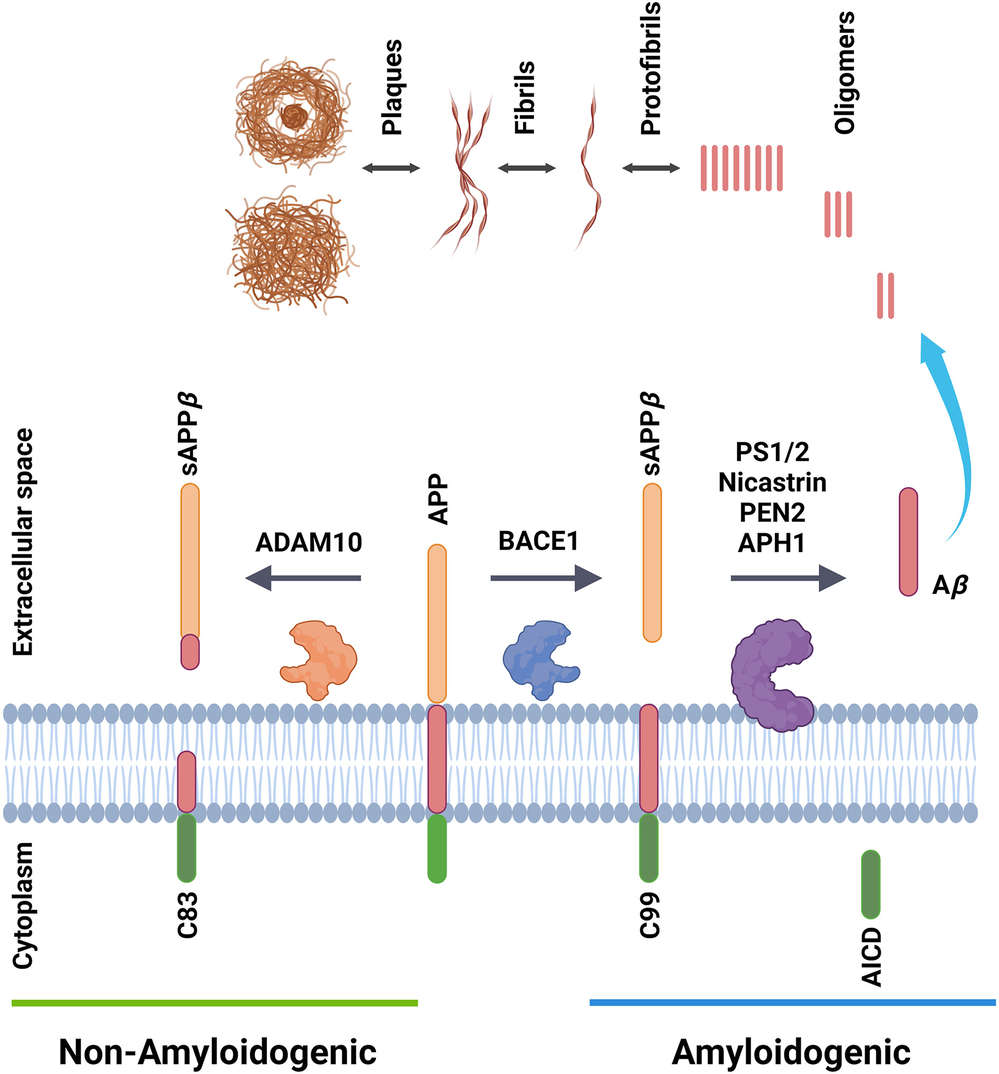
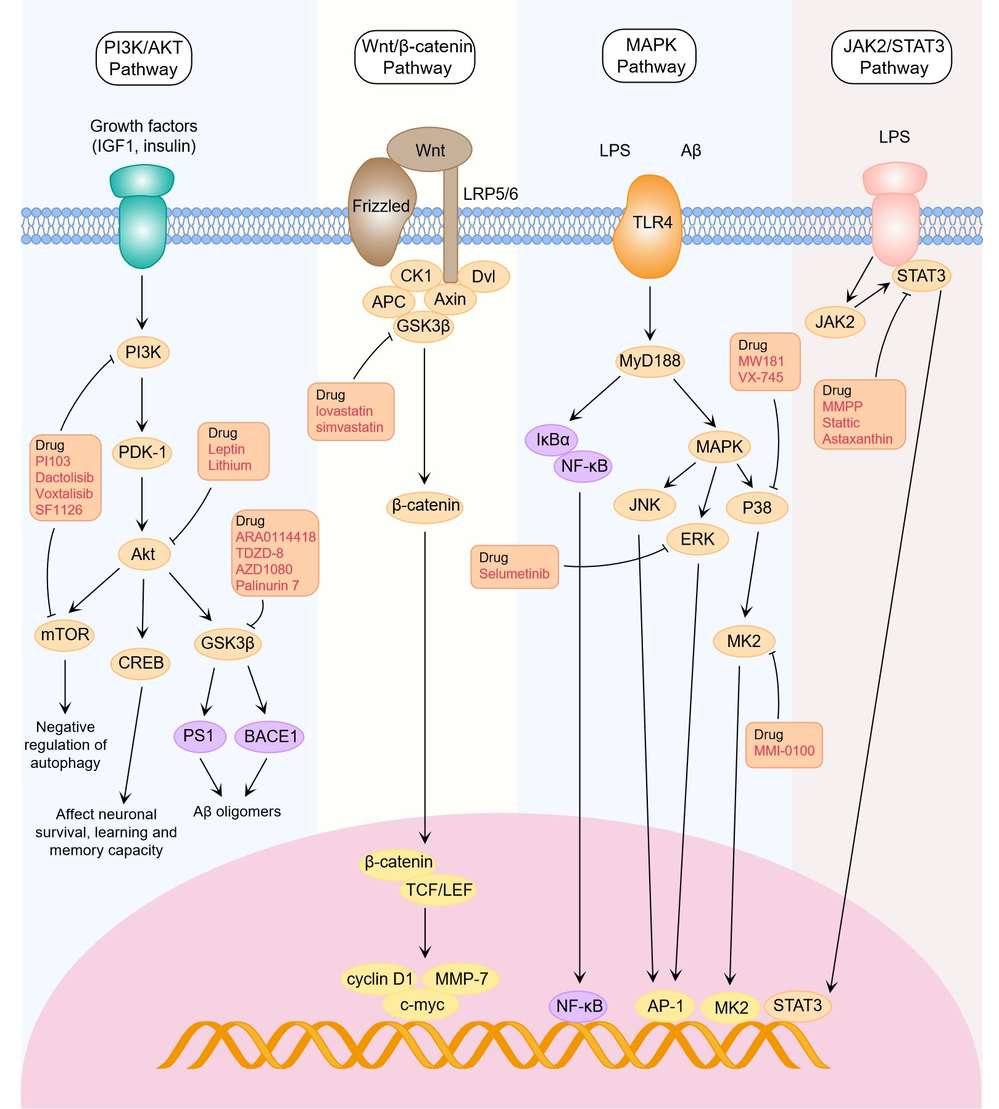
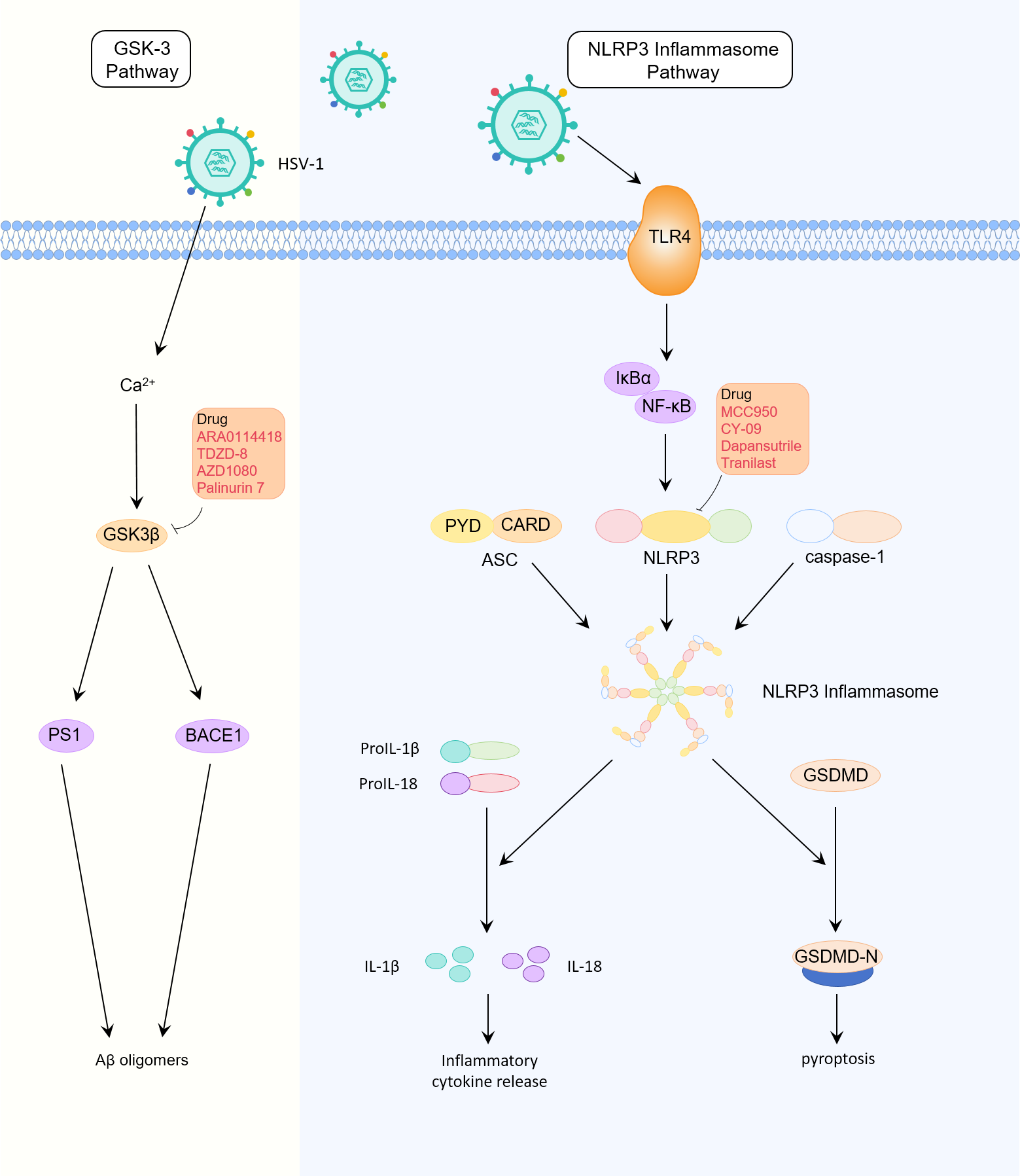
Alzheimer's Disease (AD) is a progressive neurodegenerative disease that predominantly impacts older adults, making it the most common cause of dementia. It manifests as a constellation of impairments, including memory loss, cognitive decline, language difficulties, visuospatial dysfunction, and emotional disturbances. Genetic factors are believed to contribute to approximately 70% of AD risk, while other potential risk factors include head trauma, depression, and hypertension. AD is marked by distinct pathological features, including amyloid-β (Aβ) plaques aggregation and neurofibrillary tangles (NFTs) formation. These alterations severely disrupt neuronal function and contribute to neuroinflammation and synaptic dysfunction, ultimately leading to neuronal death. Current therapeutic strategies for AD are primarily focused on targeting these pathological features.
Learn more about our antibodies to support your AD diagnostic research and drug discovery, driving the development of innovative therapies for AD.

Please try the standard protocols which include: protocols, troubleshooting and guide.
Enzyme-linked Immunosorbent Assay (ELISA)
Flow Cytometry
Immunofluorescence (IF)
Immunohistochemistry (IHC)
Immunoprecipitation (IP)
Western Blot (WB)
Enzyme Linked Immunospot (ELISpot)
Proteogenomic
Other Protocols
