
NEUROD1 Antibodies
Background
The NEUROD1 gene encodes a neurogenic differentiation protein belonging to the basic helix-loop-helix (bHLH) transcription factor family. It is mainly expressed in tissues such as the pancreas, brain, and intestine of mammals. This protein plays a central role in the differentiation of nerve cells, the development of pancreatic β cells, and insulin synthesis by regulating the transcription of downstream target genes. Abnormal function of this protein is associated with various diseases, such as NEUROD1 mutations can cause maturity-onset juvenile diabetes (MODY6) and may be related to neurodevelopmental disorders. This gene was first identified in 1995, and its structural characteristics and regulatory mechanisms have become important models for studying cell directed differentiation and metabolic diseases, deepening our understanding of the role of transcription factors in development and homeostasis maintenance.
Structure of NEUROD1
The protein encoded by the NEUROD1 gene has a molecular weight of approximately 32 kDa. The exact value may vary slightly among different species due to differences in amino acid sequences.
| Species | Human | Mouse | Rat | Zebrafish | Chicken |
| Molecular Weight (kDa) | 32.0 | 31.8 | 32.1 | 33.5 | 31.6 |
| Primary Structural Differences | Containing a bHLH domain and a transcriptional activation domain | Highly similar to humans and with conserved functions | Highly similar core structure domain | Have the same functional origin, but with low sequence similarity | The expression patterns are similar during development |
The NEUROD1 protein is composed of approximately 356 amino acids. Its core consists of a conserved basic helix-loop-helix (bHLH) domain, which is made up of about 60 amino acids and forms two α-helices sandwiching a cyclic region. This bHLH structure is crucial for its function. The basic region is responsible for binding to DNA target sequences (E-boxes), while the helix-loop-helix part mediates protein dimerization, jointly regulating the transcription of downstream genes related to neural differentiation and islet cell development.
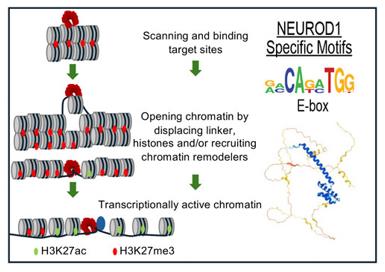 Fig. 1 NEUROD1 reprograms chromatin to induce the neuronal program.1
Key structural properties of NEUROD1:
- Conservative basic helical ring-helical (bHLH) domain
- The -basic region constitutes the DNA-binding domain
- The helix-loop-helix part mediates protein dimerization
- The transcriptional activation domain is located in the C-terminal region
Functions of NEUROD1
NEUROD1 is a crucial neurogenic differentiation factor. Its main function is to regulate the differentiation and development of nerve cells and pancreatic β cells. Additionally, it is involved in processes such as gene transcription regulation and cell fate determination.
| Function | Description |
| Neural Differentiation | As a transcription factor, it activates the expression of downstream neuron-specific genes and drives neural progenitor cells to differentiate into mature neurons. |
| Pancreatic Development | It is of crucial importance in pancreatic development, particularly promoting the differentiation, maturation of pancreatic islet β cells, and the synthesis of insulin. |
| Disease Association | The loss-of-function mutations in this gene are the main cause of the onset-type juvenile diabetes (MODY6) in adulthood. |
| Transcriptional Regulation | By binding to the E-box sequences in the promoter region of target genes, it either initiates or enhances the transcriptional activity of these genes. |
| Cell fate determination | It determines the differentiation of progenitor cells into specific lineages in various tissues (such as the brain, intestine, and retina), influencing tissue morphogenesis. |
NEUROD1 functions by forming homodimers or heterodimers. Its DNA-binding properties determine its highly selective regulation of target genes, which is consistent with its role in precisely controlling developmental programs in specific cell types.
Applications of NEUROD1 and NEUROD1 Antibody in Literature
1. Pavlinkova, Gabriela, and Ondrej Smolik. "NEUROD1: transcriptional and epigenetic regulator of human and mouse neuronal and endocrine cell lineage programs." Frontiers in Cell and Developmental Biology 12 (2024): 1435546. https://doi.org/10.3389/fcell.2024.1435546
The article indicates that NEUROD1 is a bHLH transcription factor with chromatin remodeling and precursor factor capabilities. It can regulate the differentiation of neurons and pancreatic endocrine cells, and demonstrates significant therapeutic potential in cell reprogramming and regenerative medicine.
2. Chen, Ping, et al. "NeuroD1 administration ameliorated neuroinflammation and boosted neurogenesis in a mouse model of subarachnoid hemorrhage." Journal of Neuroinflammation 20.1 (2023): 261. https://doi.org/10.1186/s12974-023-02949-w
The article indicates that in the mouse model of subarachnoid hemorrhage, NeuroD1 gene therapy can significantly inhibit the neuroinflammation mediated by astrocytes, improve the neural microenvironment, and promote endogenous neurogenesis, thereby effectively restoring neural cognitive functions.
3. Kang, Xiaonan, et al. "Exendin-4 ameliorates tau hyperphosphorylation and cognitive impairment in type 2 diabetes through acting on Wnt/β-catenin/NeuroD1 pathway." Molecular Medicine 29.1 (2023): 118. https://doi.org/10.1186/s10020-023-00718-2
Studies have shown that Exendin-4 enhances the expression of NeuroD1 by activating the Wnt/β-catenin pathway, thereby promoting the transcription of the Ins2 insulin gene in the brain. This increases the level of brain insulin, ultimately improving tau protein hyperphosphorylation and cognitive dysfunction in the type 2 diabetes model.
4. Elliott, Karen L., et al. "Neurog1, Neurod1, and Atoh1 are essential for spiral ganglia, cochlear nuclei, and cochlear hair cell development." Faculty reviews 10 (2021): 47. https://doi.org/10.12703/r/10-47
This review summarizes the molecular mechanisms by which bHLH transcription factors Neurog1, Neurod1 and Atoh1, under the collaborative regulation of upstream regulatory factors, jointly control the development of spiral ganglion, cochlear nucleus and hair cells, providing a new perspective for the research on auditory recovery.
5. Bohuslavova, Romana, et al. "NEUROD1 reinforces endocrine cell fate acquisition in pancreatic development." Nature Communications 14.1 (2023): 5554. https://doi.org/10.1038/s41467-023-41306-6
The article indicates that NEUROD1 is crucial for maintaining the mature phenotype of pancreatic β cells. Its absence leads to the downregulation of endocrine differentiation transcription factors, abnormal activation of non-endocrine genes, and the disruption of the development and function of endocrine cells by altering the H3K27me3 modification pattern.
Creative Biolabs: NEUROD1 Antibodies for Research
Creative Biolabs specializes in the production of high-quality NEUROD1 antibodies for research and industrial applications. Our portfolio includes monoclonal and polyclonal antibodies tailored for ELISA, Flow Cytometry, Western blot, immunohistochemistry, and other diagnostic methodologies.
- Custom NEUROD1 Antibody Development: Tailor-made solutions to meet specific research requirements.
- Bulk Production: Large-scale antibody manufacturing for industry partners.
- Technical Support: Expert consultation for protocol optimization and troubleshooting.
- Aliquoting Services: Conveniently sized aliquots for long-term storage and consistent experimental outcomes.
For more details on our NEUROD1 antibodies, custom preparations, or technical support, contact us at email.
Reference
- Pavlinkova, Gabriela, and Ondrej Smolik. "NEUROD1: transcriptional and epigenetic regulator of human and mouse neuronal and endocrine cell lineage programs." Frontiers in Cell and Developmental Biology 12 (2024): 1435546. Distributed under Open Access license CC BY 4.0, without modification. https://doi.org/10.3389/fcell.2024.1435546
Anti-NEUROD1 antibodies
 Loading...
 Compare


Hot products 
-
Mouse Anti-ELAVL4 Recombinant Antibody (6B9) (CBMAB-1132-YC)

-
Mouse Anti-C4B Recombinant Antibody (CBYY-C2996) (CBMAB-C4439-YY)

-
Mouse Anti-ARHGDIA Recombinant Antibody (CBCNA-009) (CBMAB-R0415-CN)

-
Mouse Anti-CD247 Recombinant Antibody (6B10.2) (CBMAB-C1583-YY)

-
Mouse Anti-BIRC3 Recombinant Antibody (315304) (CBMAB-1214-CN)

-
Mouse Anti-CD19 Recombinant Antibody (CBXC-1224) (CBMAB-C1491-CQ)

-
Armenian hamster Anti-CD40 Recombinant Antibody (HM40-3) (CBMAB-C10365-LY)

-
Rabbit Anti-ALK (Phosphorylated Y1278) Recombinant Antibody (D59G10) (PTM-CBMAB-0035YC)

-
Mouse Anti-AMACR Recombinant Antibody (CB34A) (CBMAB-CA034LY)

-
Mouse Anti-G6PD Recombinant Antibody (13B331) (CBMAB-G1553-LY)

-
Mouse Anti-GIPC2 Recombinant Antibody (10) (CBMAB-G0476-LY)

-
Mouse Anti-ATP1B3 Recombinant Antibody (1E9) (CBMAB-A4021-YC)

-
Mouse Anti-FAS2 Monoclonal Antibody (1D4) (CBMAB-0071-CN)

-
Mouse Anti-AQP2 Recombinant Antibody (E-2) (CBMAB-A3358-YC)

-
Mouse Anti-CALR Recombinant Antibody (CBFYC-0763) (CBMAB-C0818-FY)

-
Mouse Anti-GSDMA Recombinant Antibody (CBLG1-2983) (CBMAB-G5128-LY)

-
Mouse Anti-GZMA Recombinant Antibody (CBLG1-2197) (CBMAB-G5901-LY)

-
Mouse Anti-GLP1R Recombinant Antibody (4F3) (CBMAB-G0521-LY)

-
Mouse Anti-CHRNA9 Recombinant Antibody (8E4) (CBMAB-C9161-LY)

-
Rabbit Anti-CBL Recombinant Antibody (D4E10) (CBMAB-CP0149-LY)

- AActivation
- AGAgonist
- APApoptosis
- BBlocking
- BABioassay
- BIBioimaging
- CImmunohistochemistry-Frozen Sections
- CIChromatin Immunoprecipitation
- CTCytotoxicity
- CSCostimulation
- DDepletion
- DBDot Blot
- EELISA
- ECELISA(Cap)
- EDELISA(Det)
- ESELISpot
- EMElectron Microscopy
- FFlow Cytometry
- FNFunction Assay
- GSGel Supershift
- IInhibition
- IAEnzyme Immunoassay
- ICImmunocytochemistry
- IDImmunodiffusion
- IEImmunoelectrophoresis
- IFImmunofluorescence
- IGImmunochromatography
- IHImmunohistochemistry
- IMImmunomicroscopy
- IOImmunoassay
- IPImmunoprecipitation
- ISIntracellular Staining for Flow Cytometry
- LALuminex Assay
- LFLateral Flow Immunoassay
- MMicroarray
- MCMass Cytometry/CyTOF
- MDMeDIP
- MSElectrophoretic Mobility Shift Assay
- NNeutralization
- PImmunohistologyp-Paraffin Sections
- PAPeptide Array
- PEPeptide ELISA
- PLProximity Ligation Assay
- RRadioimmunoassay
- SStimulation
- SESandwich ELISA
- SHIn situ hybridization
- TCTissue Culture
- WBWestern Blot
