
PPA2 Antibodies
Background
The PPA2 gene encodes a key enzyme within mitochondria responsible for catalyzing the hydrolysis of inorganic pyrophosphate. This enzyme directly regulates cellular energy homeostasis by maintaining the balance of pyrophosphate metabolism. Its encoded protein is located in the mitochondrial matrix and plays a core role in biological processes such as ATP synthesis and nucleic acid metabolism, especially being crucial for maintaining the functions of high-energy-consuming tissues such as the heart muscle and nerves. In 2016, the "American Journal of Human Genetics" study first clarified that its biallelic mutations can lead to autosomal recessive genetic diseases, and patients present with syndromes such as progressive cardiomyopathy, neurological degeneration and lactic acidosis. As a "molecular switch" in the energy metabolism pathway, PPA2 has become an important model for studying the association between mitochondrial function defects and human diseases. The research on the association between its mutation lineages and clinical phenotypes has continuously provided new evidence for genetic diagnosis in recent years.
Structure of PPA2
The inorganic pyrophosphatase encoded by the PPA2 gene is a key mitochondrial metabolic regulatory protein, with a molecular weight of approximately 32-35 kDa. This protein has a highly conserved catalytic core in different species, but there are interspecific differences in the N-terminal mitochondrial targeting sequence.
| Species | Human | Mouse | Bovine | Zebrafish | Yeast |
| Molecular Weight (kDa) | 33.5 | 33.2 | 33.8 | 34.1 | 35.2 |
| Primary Structural Differences | Containing 256 amino acids, with typical PPase domain structure | Mitochondrial positioning signal peptide is shorter | Highly conserved catalytic activity center | The C-terminal extension sequence is longer | Cytoplasmic synthesis is required before transportation |
This protein forms a catalytic domain through its conserved β-α-β folding, creating four active centers to bind divalent metal ions. It is particularly worth noting that the three aspartic acid residues in its active site (D42/D44/D158 in human PPA2) form a stable catalytic network with Mg²⁺through coordination bonds, a feature that is completely consistent in all eukaryotes. The unique diarginine motif at the N-terminal constitutes a mitochondrial matrix targeting signal, ensuring that the protein is accurately located within the mitochondrial lumen to perform pyrophosphate hydrolysis function.
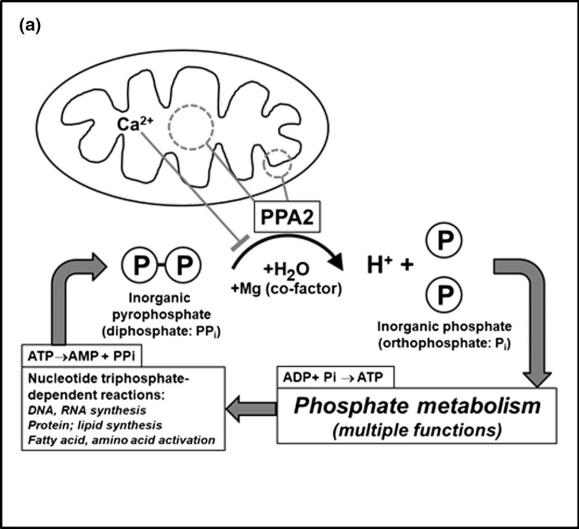 Fig. 1 Schematic of PPA2's biological functions.1
Key structural properties of PPA2:
- Conserved β-α-β catalytic domain
- Four active center in the composition of the metal ion binding sites
- Mitochondrial matrix-targeted signaling peptides
Functions of PPA2
The core function of PPA2 protein is to maintain the metabolic balance of pyrophosphate (PPi) within cells. Its main physiological functions include:
| Function | Description |
| Regulation of energy metabolism | By hydrolyzing inorganic pyrophosphate (PPi) to generate orthophosphate (Pi), biochemical reactions such as ATP synthesis are promoted towards energy production. |
| Maintenance of mitochondrial function | Eliminate the accumulated PPi in the mitochondrial matrix to prevent its inhibitory effect on membrane potential and oxidative phosphorylation processes. |
| Regulation of nucleic acid synthesis | Maintain the PPi/Pi balance to provide a suitable substrate environment for DNA/RNA polymerase and ensure the normal replication of genetic material. |
| Participation in bone development | Regulate the crystallization process of hydroxyapatite in osteoblasts to prevent abnormal accumulation of PPi from causing bone mineralization defects. |
| Cellular calcium homeostasis assistance | By regulating the concentration of PPi in the mitochondrial matrix, it indirectly affects the activity of Ca²⁺ channels and intracellular calcium signaling. |
The catalytic efficiency of this enzyme is strictly regulated by the concentration of Mg²⁺, and its hydrolytic activity forms a positive coupling with the ATP synthesis rate. This characteristic makes PPA2 a key molecular node connecting mitochondrial energy metabolism with various cellular activities, and its malfunction can directly lead to metabolic disorders in multiple systems.
Applications of PPA2 and PPA2 Antibody in Literature
1. Zhang, Xiang, et al. "SIRT5-mediated desuccinylation of PPA2 enhances HIF-1alpha-dependent adaptation to hypoxic stress and colorectal cancer metastasis." The EMBO Journal 44.9 (2025): 2514-2540. https://doi.org/10.1038/s44318-025-00416-1
The article indicates that in colorectal cancer, inorganic pyrophosphatase 2 (PPA2) activates the E3 ligase NEDD4 through dephosphorylation, promoting the non-classical ubiquitination degradation of HIF-1α and inhibiting glycolysis and metastasis. When hypoxia occurs, Sirtuin-5-mediated desuccinylation of PPA2 disrupts this mechanism, thereby enhancing the stability of HIF-1α and tumor metastasis. PPA2 has an anti-cancer effect.
2. Guimier, Anne, et al. "PPA2-associated sudden cardiac death: extending the clinical and allelic spectrum in 20 new families." Genetics in medicine 23.12 (2021): 2415-2425. https://doi.org/10.1038/s41436-021-01296-6
The article indicates that biallelic variations in the PPA2 gene can lead to impaired function of the mitochondrial enzymes encoded by it. Patients often present with sudden cardiac death or acute heart failure, with a high mortality rate. Alcohol may induce sudden death, and some survivors may experience neurological symptoms. This disease shows significant clinical and age heterogeneity.
3. Zhu, Wenbiao, et al. "Downregulation of PPA2 expression correlates with poor prognosis of kidney renal clear cell carcinoma." PeerJ 9 (2021): e12086. https://doi.org/10.7717/peerj.12086
The article indicates that the expression of PPA2 is significantly decreased in clear cell renal cell carcinoma tissues, and its low expression is closely related to high tumor grade and poor prognosis of patients. Studies have shown that PPA2 is an independent prognostic factor and may inhibit tumors by influencing epithelial-mesenchymal transition, thus becoming a potential prognostic biomarker.
4. Zhang, Jia-Ning, et al. "Multi-omics pan-cancer analysis reveals the prognostic values and immunological functions of PPA2, with a spotlight on breast cancer." Frontiers in Immunology 15 (2024): 1435502. https://doi.org/10.3389/fimmu.2024.1435502
The article indicates that PPA2 is abnormally expressed in various tumors, has significant prognostic value, and is associated with immune characteristics. Studies have confirmed that PPA2 plays a promoting role in breast cancer and can facilitate tumor progression. This study reveals the potential of PPA2 in pan-cancer, which can serve as a potential guide for immunotherapy and a therapeutic target for breast cancer.
5. Phoon, Colin KL, et al. "Sudden unexpected death in asymptomatic infants due to PPA2 variants." Molecular Genetics & Genomic Medicine 8.1 (2020): e1008. https://doi.org/10.1002/mgg3.1008
The article indicates that biallelic variations of the PPA2 gene can lead to sudden death in children. Two asymptomatic young children died unexpectedly at about one year old. Molecular autopsies revealed that they carried a compound heterozygous variant of PPA2. This gene encodes mitochondrial inorganic pyrophosphatase. Its dysfunction can disrupt myocardial energy metabolism and cause fatal heart problems, broadening the clinical understanding of this gene mutation.
Creative Biolabs: PPA2 Antibodies for Research
Creative Biolabs specializes in the production of high-quality PPA2 antibodies for research and industrial applications. Our portfolio includes monoclonal antibodies tailored for ELISA, Flow Cytometry, Western blot, immunohistochemistry, and other diagnostic methodologies.
- Custom PPA2 Antibody Development: Tailor-made solutions to meet specific research requirements.
- Bulk Production: Large-scale antibody manufacturing for industry partners.
- Technical Support: Expert consultation for protocol optimization and troubleshooting.
- Aliquoting Services: Conveniently sized aliquots for long-term storage and consistent experimental outcomes.
For more details on our PPA2 antibodies, custom preparations, or technical support, contact us at email.
Reference
- Phoon, Colin KL, et al. "Sudden unexpected death in asymptomatic infants due to PPA2 variants." Molecular Genetics & Genomic Medicine 8.1 (2020): e1008. https://doi.org/10.1002/mgg3.1008
Anti-PPA2 antibodies
 Loading...
 Compare




Hot products 
-
Mouse Anti-BIRC3 Recombinant Antibody (315304) (CBMAB-1214-CN)

-
Mouse Anti-ELAVL4 Recombinant Antibody (6B9) (CBMAB-1132-YC)

-
Rat Anti-ABCC11 Recombinant Antibody (V2-179001) (CBMAB-A0236-YC)

-
Mouse Anti-FAS2 Monoclonal Antibody (1D4) (CBMAB-0071-CN)

-
Mouse Anti-DLC1 Recombinant Antibody (D1009) (CBMAB-D1009-YC)

-
Mouse Anti-EIF4G1 Recombinant Antibody (2A9) (CBMAB-A2544-LY)

-
Mouse Anti-FOSB Recombinant Antibody (CBXF-3593) (CBMAB-F2522-CQ)

-
Mouse Anti-APOA1 Monoclonal Antibody (CBFYR0637) (CBMAB-R0637-FY)

-
Mouse Anti-ATP1A2 Recombinant Antibody (M7-PB-E9) (CBMAB-A4013-YC)

-
Mouse Anti-BLNK Recombinant Antibody (CBYY-0623) (CBMAB-0626-YY)

-
Mouse Anti-CRTAM Recombinant Antibody (CBFYC-2235) (CBMAB-C2305-FY)

-
Rat Anti-CD34 Recombinant Antibody (MEC 14.7) (CBMAB-C10196-LY)

-
Mouse Anti-BBS2 Recombinant Antibody (CBYY-0253) (CBMAB-0254-YY)

-
Mouse Anti-CORO1A Recombinant Antibody (4G10) (V2LY-1206-LY806)

-
Mouse Anti-ALOX5 Recombinant Antibody (33) (CBMAB-1890CQ)

-
Mouse Anti-BCL2L1 Recombinant Antibody (H5) (CBMAB-1025CQ)

-
Mouse Anti-CD59 Recombinant Antibody (CBXC-2097) (CBMAB-C4421-CQ)

-
Rat Anti-AChR Recombinant Antibody (V2-12500) (CBMAB-0990-CN)

-
Mouse Anti-A2M Recombinant Antibody (V2-178822) (CBMAB-A0036-YC)

-
Mouse Anti-BSN Recombinant Antibody (219E1) (CBMAB-1228-CN)

- AActivation
- AGAgonist
- APApoptosis
- BBlocking
- BABioassay
- BIBioimaging
- CImmunohistochemistry-Frozen Sections
- CIChromatin Immunoprecipitation
- CTCytotoxicity
- CSCostimulation
- DDepletion
- DBDot Blot
- EELISA
- ECELISA(Cap)
- EDELISA(Det)
- ESELISpot
- EMElectron Microscopy
- FFlow Cytometry
- FNFunction Assay
- GSGel Supershift
- IInhibition
- IAEnzyme Immunoassay
- ICImmunocytochemistry
- IDImmunodiffusion
- IEImmunoelectrophoresis
- IFImmunofluorescence
- IGImmunochromatography
- IHImmunohistochemistry
- IMImmunomicroscopy
- IOImmunoassay
- IPImmunoprecipitation
- ISIntracellular Staining for Flow Cytometry
- LALuminex Assay
- LFLateral Flow Immunoassay
- MMicroarray
- MCMass Cytometry/CyTOF
- MDMeDIP
- MSElectrophoretic Mobility Shift Assay
- NNeutralization
- PImmunohistologyp-Paraffin Sections
- PAPeptide Array
- PEPeptide ELISA
- PLProximity Ligation Assay
- RRadioimmunoassay
- SStimulation
- SESandwich ELISA
- SHIn situ hybridization
- TCTissue Culture
- WBWestern Blot
