
USP30 Antibodies
Background
The USP30 gene encodes a deubiquitinating enzyme located on the surface of mitochondria, belonging to the deubiquitinating enzyme family. This protein negatively regulates the mitochondrial autophagy process by removing the ubiquitin chains from surface proteins of mitochondria, thereby influencing the selective clearance of damaged mitochondria. In maintaining the stability of the mitochondrial network and cellular energy metabolism, USP30 plays a crucial regulatory role, especially in cells with high energy demands such as nerve cells. The abnormal expression of this gene is closely related to the occurrence and development of neurodegenerative diseases such as Parkinson's disease, making it a potential drug target for treating such diseases. Since its discovery, the structural and functional studies of USP30 have been continuously deepened, providing an important perspective for understanding the mitochondrial quality control mechanism and the role of ubiquitin signals in maintaining cellular homeostasis.
Structure of USP30
The protein encoded by the USP30 gene has a relative molecular mass of approximately 55 kDa. The USP30 proteins from different species have certain differences in molecular weight, which mainly results from the species-specificity of their amino acid sequences.
| Species | Human | Mouse | Rat | Zebrafish |
| Molecular Weight (kDa) | 55.0 | 54.8 | 54.9 | 56.2 |
| Primary Structural Differences | Contains a typical catalytic domain | High homology with humans | Close genetic relationship with mice | Relatively large sequence differences, adapted for functions in lower vertebrates |
The USP30 protein is composed of approximately 500 amino acids. Its spatial structure is formed by the folding of multiple domains, resulting in a characteristic three-dimensional conformation. The catalytic core of this protein is located at the carboxyl terminus and contains a conserved cysteine box and histidine box, jointly constituting the typical active center of the deubiquitinating enzyme. Surrounding the catalytic domain, there are multiple α-helices and β-sheet structures, which maintain the conformational stability of the active site through hydrophobic interactions. The amino terminus contains a transmembrane helix structure, which anchors USP30 to the outer mitochondrial membrane. The two key residues near the active site - cysteine and histidine - respectively participate in the nucleophilic attack and proton transfer processes, jointly mediating the hydrolysis reaction of the ubiquitin chain.
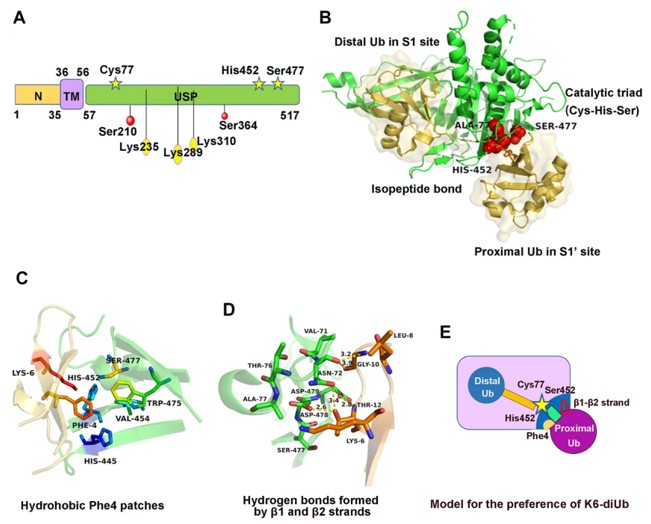 Fig. 1 Structure, regulation, and molecular characteristics of USP30.1
Key structural properties of USP30:
- C-terminal catalytic domain,
- N-terminal transmembrane helix,
- Ubiquitin binding region,
- Peripheral regulatory loop, which controls enzyme activity and substrate selectivity
Functions of USP30
The main function of USP30 is to regulate mitochondrial autophagy and the ubiquitin signaling pathway. However, it is also involved in various cellular biological processes, including protein homeostasis maintenance and oxidative stress response.
| Function | Description |
| Deubiquitination modification | USP30 is located on the outer mitochondrial membrane and removes ubiquitin chains from proteins on the mitochondrial surface, specifically those ubiquitin chains connected to lysine residues at positions 6 and 11. |
| Inhibition of mitochondrial autophagy | By removing the ubiquitin tags on damaged mitochondria, USP30 negatively regulates the mitochondrial autophagy pathway mediated by PINK1/Parkin, preventing the selective elimination of damaged mitochondria. |
| Maintain the stability of the mitochondrial network | Regulate the balance of mitochondrial fusion and fission processes, influencing the morphology, distribution of mitochondria, and the integrity of the intracellular energy metabolism network. |
| Regulating apoptosis | By influencing the permeability of the outer mitochondrial membrane and the release of cytochrome c, it participates in the process of apoptosis regulation through the mitochondrial pathway. |
| Oxidative Stress Response | Under oxidative stress conditions, the expression and activity of USP30 change, participating in the regulation of mitochondrial reactive oxygen levels and cellular redox balance. |
The enzyme activity curve of USP30 exhibits typical Michaelis-Menten kinetic characteristics, which is consistent with the catalytic behavior of most deubiquitinating enzymes. This indicates that it has a high affinity and specific hydrolytic function towards ubiquitin substrates.
Applications of USP30 and USP30 Antibody in Literature
1. Wang, Feng, et al. "USP30: structure, emerging physiological role, and target inhibition." Frontiers in Pharmacology 13 (2022): 851654. https://doi.org/10.3389/fphar.2022.851654
The article indicates that USP30 is a deubiquitinating enzyme localized in mitochondria, which regulates mitochondrial autophagy, apoptosis and tumor metabolism by cleaving Lys6 ubiquitin chains. Its abnormality is related to neurodegenerative diseases and cancer. Various inhibitors have been developed, and some have entered the preclinical research stage. This article summarizes its structure, function and inhibitor progress.
2. Fang, Tracy-Shi Zhang, et al. "Knockout or inhibition of USP30 protects dopaminergic neurons in a Parkinson's disease mouse model." Nature Communications 14.1 (2023): 7295. https://doi.org/10.1038/s41467-023-42876-1
The article indicates that the absence or inhibition of USP30 can alleviate the motor disorders in Parkinson's disease model mice, reduce the pathological accumulation of αSynuclein, and protect dopaminergic neurons. The study suggests that inhibiting USP30 may become a new modulating therapy for Parkinson's disease.
3. Zhang, Ruohan, et al. "USP30 inhibition augments mitophagy to prevent T cell exhaustion." Science Advances 11.33 (2025): eadv6902. https://doi.org/10.1126/sciadv.adv6902
The article indicates that USP30 is highly expressed in CD8+ T cells that have been depleted. It impairs the function of these cells by inhibiting mitochondrial autophagy. Targeted inhibition of USP30 can restore mitochondrial health and T cell activity, thereby enhancing anti-tumor immunity. Studies have shown that USP30 is a potential therapeutic target for reversing T cell exhaustion.
4. Okarmus, Justyna, et al. "USP30 inhibition induces mitophagy and reduces oxidative stress in parkin-deficient human neurons." Cell Death & Disease 15.1 (2024): 52. https://doi.org/10.1038/s41419-024-06439-6
The article indicates that USP30 inhibition can promote mitochondrial autophagy in PARK2-deficient neurons derived from Parkinson's disease patients, reduce oxidative stress, and improve cell status. Research shows that USP30 inhibitors are expected to become drugs for treating neurological diseases related to mitochondrial dysfunction.
5. Du, Jiapeng, et al. "Spotlight on USP30: structure, function, disease and target inhibition." Frontiers in Pharmacology 16 (2025): 1629709. https://doi.org/10.3389/fphar.2025.1629709
The article indicates that USP30 participates in the progression of tumors and neurodegenerative diseases by regulating mitochondrial autophagy and stabilizing cancer proteins, etc. Inhibiting USP30 can reverse the malignant phenotype of tumors and exert neuroprotective effects, making it a highly promising therapeutic target. This article summarizes the research progress on its structure, function and inhibitors.
Creative Biolabs: USP30 Antibodies for Research
Creative Biolabs specializes in the production of high-quality USP30 antibodies for research and industrial applications. Our portfolio includes monoclonal and polyclonal antibodies tailored for ELISA, Flow Cytometry, Western blot, immunohistochemistry, and other diagnostic methodologies.
- Custom USP30 Antibody Development: Tailor-made solutions to meet specific research requirements.
- Bulk Production: Large-scale antibody manufacturing for industry partners.
- Technical Support: Expert consultation for protocol optimization and troubleshooting.
- Aliquoting Services: Conveniently sized aliquots for long-term storage and consistent experimental outcomes.
For more details on our USP30 antibodies, custom preparations, or technical support, contact us at email.
Reference
- Wang, Feng, et al. "USP30: structure, emerging physiological role, and target inhibition." Frontiers in Pharmacology 13 (2022): 851654. Distributed under Open Access license CC BY 4.0, without modification. https://doi.org/10.3389/fphar.2022.851654
Anti-USP30 antibodies
 Loading...
 Compare




Hot products 
- AActivation
- AGAgonist
- APApoptosis
- BBlocking
- BABioassay
- BIBioimaging
- CImmunohistochemistry-Frozen Sections
- CIChromatin Immunoprecipitation
- CTCytotoxicity
- CSCostimulation
- DDepletion
- DBDot Blot
- EELISA
- ECELISA(Cap)
- EDELISA(Det)
- ESELISpot
- EMElectron Microscopy
- FFlow Cytometry
- FNFunction Assay
- GSGel Supershift
- IInhibition
- IAEnzyme Immunoassay
- ICImmunocytochemistry
- IDImmunodiffusion
- IEImmunoelectrophoresis
- IFImmunofluorescence
- IGImmunochromatography
- IHImmunohistochemistry
- IMImmunomicroscopy
- IOImmunoassay
- IPImmunoprecipitation
- ISIntracellular Staining for Flow Cytometry
- LALuminex Assay
- LFLateral Flow Immunoassay
- MMicroarray
- MCMass Cytometry/CyTOF
- MDMeDIP
- MSElectrophoretic Mobility Shift Assay
- NNeutralization
- PImmunohistologyp-Paraffin Sections
- PAPeptide Array
- PEPeptide ELISA
- PLProximity Ligation Assay
- RRadioimmunoassay
- SStimulation
- SESandwich ELISA
- SHIn situ hybridization
- TCTissue Culture
- WBWestern Blot
