
TPTE Antibodies
Background
The TPTE gene encodes a membrane-associated lipid phosphatase, which is mainly distributed in the cell membrane systems of tissues such as the testicles, brain and kidneys. This protein participates in the regulation of cell membrane transport and signal transduction through dephosphorylated phosphatidylinositol signaling molecules. Abnormal function of this protein is associated with male infertility and neurological diseases. This gene was simultaneously discovered by multiple research teams in 1999 and was named because the protein it encodes has a homologous domain with Tensin. Subsequent research has revealed that this gene has undergone multiple replication events during evolution, forming a multi-member gene family including pseudogenes, providing an important model for studying the mechanism of gene functional differentiation and membrane regulation.
Structure of TPTE
The molecular weight of the protein encoded by the TPTE gene is approximately 55 kDa, and its size varies to some extent among different mammals.
| Species | Human | Mouse | Bovine |
| Molecular Weight (kDa) | 55.2 | 54.8 | 55.5 |
| Primary Structural Differences | With tension protein homologous structure domain | There is a variation in the C-terminal sequence | Phosphatase domain structure highly conservative |
This protein is composed of multiple functional domains. Its N-terminal tensin homologous domain can mediate cell membrane localization, and the central protein tyrosine phosphatase catalytic domain is responsible for the dephosphorylation of the phosphatidylinositol signaling molecule. The C-terminal region contains potential phosphorylation sites that are involved in the regulation of intracellular signal transduction processes.
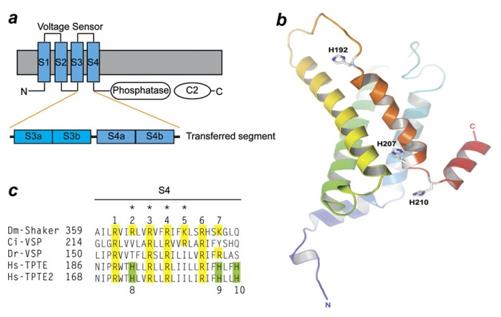 Fig. 1 Domain structure of VSP/TPTE proteins.1
Key structural properties of TPTE:
- Transmembrane domains anchor the cell membrane
- Protein tyrosine phosphatase catalytic domain
- Tensin homeodomains mediate membrane localization
- The C-terminal tail contains regulatory phosphorylation sites
Functions of TPTE
The main function of the TPTE protein is to regulate the phosphoinositol signal within cells. However, it is also involved in various cellular processes, including membrane transport and cell signal transduction.
| Function | Description |
| Lipid phosphatase activity | Dephosphorylation of phosphatidylinositol signaling molecules is carried out to regulate the level of phosphoinositol on the cell membrane. |
| Membrane transport regulation | Involved in membrane-related processes such as endocytosis and protein transport by influencing membrane properties. |
| Signal transduction regulation | As a signal node, it integrates extracellular signals and affects cell proliferation and differentiation. |
| Maintenance of testicular function | High expression in testicles, on the membrane remodeling is crucial in the process of spermatogenesis. |
| Function of nervous system | Involved in signal transduction of nerve cells, may affect the function of neurons. |
The enzymatic activity of TPTE is concentrated on the dephosphorylation of substrates such as phosphatidylinositol 3,4, 5-triphosphate, which is similar to the function of PTEN tumor suppressor protein, indicating that it plays a similar negative regulatory role in the cellular signaling network.
Applications of TPTE and TPTE Antibody in Literature
1. Saour, Basil M., et al. "TpTe and TpTe/QT: novel markers to predict sudden cardiac death in ESRD?." Brazilian Journal of Nephrology 41.1 (2018): 38-47. https://doi.org/10.1590/2175-8239-JBN-2017-0021
This study explores the predictive value of TpTe intervals and the TpTe/QT ratio for sudden death in patients with end-stage renal disease. The results showed that in hemodialysis patients, prolonged TpTe or TpTe/QT was not significantly associated with sudden death or all-cause mortality, and thus did not support its use as a risk stratification indicator for this population.
2. Wang, Xinyue, et al. "Rescue RM/CS-AKI by blocking strategy with one-dose anti-myoglobin RabMAb." Nature Communications 16.1 (2025): 1044. https://doi.org/10.3390/ijerph182212194
This article demonstrates that myoglobin plays a central role in rhabdomyolysis- and crush syndrome-associated acute kidney injury (RM/CS-AKI), and highlights the potential of a high-affinity anti-myoglobin rabbit monoclonal antibody (RabMAb) as an effective emergency treatment that blocks myoglobin-induced kidney toxicity.
3. Zainodini, Nahid, et al. "Overexpression of Transmembrane Phosphatase with Tensin homology (TPTE) in prostate cancer is clinically significant, suggesting its potential as a valuable biomarker." Journal of Cancer Research and Clinical Oncology 150.3 (2024): 165. https://doi.org/10.1007/s00432-024-05694-6
This study is the first to discover that the expression of cancer testicular antigen TPTE is significantly elevated in prostate cancer and is associated with the deterioration of the disease. Antibodies against TPTE can effectively inhibit the proliferation of cancer cells, indicating that targeting TPTE has the potential to reduce tumor activity and become a new therapeutic strategy for prostate cancer.
4. Kandzia, Tomasz, Grażyna Markiewicz-Łoskot, and Przemysław Binkiewicz. "Tpeak-tend interval during pregnancy and postpartum." International Journal of Environmental Research and Public Health 19.19 (2022): 12638. https://doi.org/10.3390/ijerph191912638
This study observed the electrocardiogram changes of pregnant women and postpartum women and found that the TpTe interval was significantly prolonged from the early stage of pregnancy, and the increase was much higher than that of QTc, reaching the peak after delivery. This indicates that TpTe may be a sensitive indicator for monitoring the risk of pregnancy-related arrhythmias, but its association with clinical prognosis and its value in reducing the rate of AI need further research for confirmation.
5. Eroglu, Murat, et al. "Carbon monoxide poisoning increases Tpeak-Tend dispersion and QTc dispersion: cardiovascular topic." Cardiovascular Journal of Africa 25.3 (2014): 106-109. https://doi.org/10.5830/CVJA-2014-012
This study is the first to explore the effect of acute carbon monoxide poisoning on ventricular repolarization. The results showed that the TpTe dispersion of poisoned patients significantly increased and was correlated with the level of carboxyhemoglobin. This indicates that TpTe dispersion may serve as a sensitive indicator for assessing the risk of arrhythmia after poisoning, but its predictive value and its role in reducing the AI rate still require further research.
Creative Biolabs: TPTE Antibodies for Research
Creative Biolabs specializes in the production of high-quality TPTE antibodies for research and industrial applications. Our portfolio includes monoclonal antibodies tailored for ELISA, Flow Cytometry, Western blot, immunohistochemistry, and other diagnostic methodologies.
- Custom TPTE Antibody Development: Tailor-made solutions to meet specific research requirements.
- Bulk Production: Large-scale antibody manufacturing for industry partners.
- Technical Support: Expert consultation for protocol optimization and troubleshooting.
- Aliquoting Services: Conveniently sized aliquots for long-term storage and consistent experimental outcomes.
For more details on our TPTE antibodies, custom preparations, or technical support, contact us at email.
Reference
- Sutton, Keith A., et al. "Evolution of the voltage sensor domain of the voltage-sensitive phosphoinositide phosphatase VSP/TPTE suggests a role as a proton channel in eutherian mammals." Molecular biology and evolution 29.9 (2012): 2147-2155. https://doi.org/10.1093/molbev/mss083
Anti-TPTE antibodies
 Loading...
 Compare




Hot products 
-
Mouse Anti-ADV Recombinant Antibody (V2-503423) (CBMAB-V208-1364-FY)

-
Mouse Anti-ARSA Recombinant Antibody (CBYC-A799) (CBMAB-A3679-YC)

-
Mouse Anti-CAPZB Recombinant Antibody (CBYY-C0944) (CBMAB-C2381-YY)

-
Mouse Anti-GFAP Recombinant Antibody (24) (CBMAB-G2927-LY)

-
Mouse Anti-FLT1 Recombinant Antibody (11) (CBMAB-V0154-LY)

-
Mouse Anti-CD59 Recombinant Antibody (CBXC-2097) (CBMAB-C4421-CQ)

-
Mouse Anti-CECR2 Recombinant Antibody (CBWJC-2465) (CBMAB-C3533WJ)

-
Mouse Anti-AFM Recombinant Antibody (V2-634159) (CBMAB-AP185LY)

-
Mouse Anti-CD24 Recombinant Antibody (2Q1282) (CBMAB-C1624-CN)

-
Mouse Anti-ADIPOR1 Recombinant Antibody (V2-179982) (CBMAB-A1368-YC)

-
Mouse Anti-AAV-5 Recombinant Antibody (V2-503417) (CBMAB-V208-1369-FY)

-
Mouse Anti-CCL18 Recombinant Antibody (64507) (CBMAB-C7910-LY)

-
Rat Anti-CD63 Recombinant Antibody (7G4.2E8) (CBMAB-C8725-LY)

-
Mouse Anti-CRTAM Recombinant Antibody (CBFYC-2235) (CBMAB-C2305-FY)

-
Rabbit Anti-BRCA2 Recombinant Antibody (D9S6V) (CBMAB-CP0017-LY)

-
Rat Anti-AChR Recombinant Antibody (V2-12500) (CBMAB-0990-CN)

-
Mouse Anti-HTLV-1 gp46 Recombinant Antibody (CBMW-H1006) (CBMAB-V208-1154-FY)

-
Armenian hamster Anti-CD40 Recombinant Antibody (HM40-3) (CBMAB-C10365-LY)

-
Mouse Anti-ATP1B1 Recombinant Antibody (E4) (CBMAB-0463-LY)

-
Mouse Anti-CD247 Recombinant Antibody (6B10.2) (CBMAB-C1583-YY)

- AActivation
- AGAgonist
- APApoptosis
- BBlocking
- BABioassay
- BIBioimaging
- CImmunohistochemistry-Frozen Sections
- CIChromatin Immunoprecipitation
- CTCytotoxicity
- CSCostimulation
- DDepletion
- DBDot Blot
- EELISA
- ECELISA(Cap)
- EDELISA(Det)
- ESELISpot
- EMElectron Microscopy
- FFlow Cytometry
- FNFunction Assay
- GSGel Supershift
- IInhibition
- IAEnzyme Immunoassay
- ICImmunocytochemistry
- IDImmunodiffusion
- IEImmunoelectrophoresis
- IFImmunofluorescence
- IGImmunochromatography
- IHImmunohistochemistry
- IMImmunomicroscopy
- IOImmunoassay
- IPImmunoprecipitation
- ISIntracellular Staining for Flow Cytometry
- LALuminex Assay
- LFLateral Flow Immunoassay
- MMicroarray
- MCMass Cytometry/CyTOF
- MDMeDIP
- MSElectrophoretic Mobility Shift Assay
- NNeutralization
- PImmunohistologyp-Paraffin Sections
- PAPeptide Array
- PEPeptide ELISA
- PLProximity Ligation Assay
- RRadioimmunoassay
- SStimulation
- SESandwich ELISA
- SHIn situ hybridization
- TCTissue Culture
- WBWestern Blot
