
ALPP Antibodies
Background
ALPP is an important zinc-dependent glycoprotein, mainly existing in human tissues such as the placenta, intestines and reproductive organs. This enzyme participates in a variety of physiological processes, including nutrient metabolism, bone mineralization and cell signal transduction, by catalyzing the hydrolysis reaction of phosphate monoesters. During pregnancy, the activity of ALPP in the placenta significantly increases, and thus it is often used as an important biomarker for clinical monitoring of placental function. This enzyme was first discovered by Robert Robison in 1923. Its crystal structure was successfully resolved in the late 20th century, providing key clues for understanding allele expression regulation and epigenetic mechanisms. Due to its tissue-specific expression pattern and application value in cancer diagnosis, ALPP remains an important object of molecular biology and clinical medical research to this day.
Structure of ALPP
ALPP is a glycoprotein with a molecular weight of approximately 65-70 kDa. Its precise molecular weight varies slightly among different species, mainly depending on the degree of glycosylation modification.
| Species | Human | Mice | Rhesus monkeys | rats |
| Molecular Weight (kDa) | 65-70 | 64-68 | 66-69 | 63-67 |
| Primary Structural Differences | Contains placental specific epitopes | Sugar chain structure is slightly different | Highly similar to the human source | Catalytic activity is a bit weak |
ALPP is composed of 524 amino acids and has a typical alkaline phosphatase folding structure: a bimetallic core with an active center containing zinc ions (Zn²⁺) and magnesium ions (Mg²⁺), which is responsible for catalyzing the hydrolysis of phosphate esters. Its tertiary structure consists of an α/β folded core, surrounded by multiple helical domains.
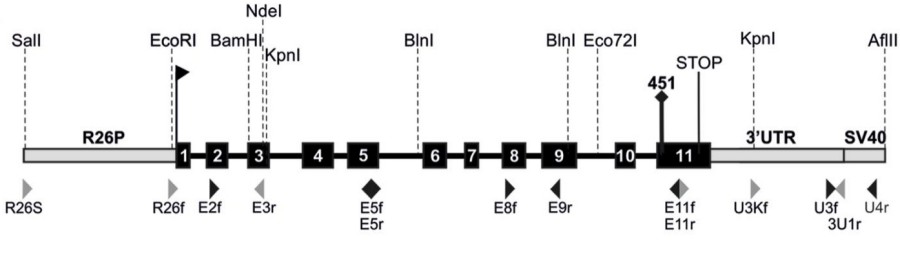 Fig. 1 Construction of Heat-Labile ALPPE451G Mutant.1
Key structural properties of ALPP:
- Conservative α/β folding structure
- Bimetallic active center
- Glycosylation modification site
- Catalytic triad
- Disulfide bond network
Functions of ALPP
ALPP is a key metabolic enzyme that mainly participates in the hydrolysis reaction of phosphate ester compounds and plays an important role in a variety of physiological processes.
| Function | Description |
| Phosphate metabolism | Catalyze the hydrolysis reaction of phosphate monoesters, release inorganic phosphates, and participate in bone mineralization and energy metabolism. |
| Markers of placental function | A significant rise in pregnancy, is an important clinical index of monitoring placental development and function. |
| Tumor diagnostic markers | It is abnormally expressed in various malignant tumors, especially germ cell tumors and liver cancer. |
| Intestinal nutrient absorption | Promote the absorption of lipids, calcium and phosphorus in the intestines and maintain nutritional balance. |
| Immune regulation | Through to phosphorylation to adjust immune cell activity, affect the inflammatory response. |
ALPP has the highest activity under alkaline conditions of pH 9-10. Its enzymatic reaction is specifically inhibited by levamisole depending on Mg²⁺ activation. Moreover, it has stronger thermal stability than other isoenzymes (such as ALPL) (retaining over 60% activity at 56°C for 10 minutes).
Applications of ALPP and ALPP Antibody in Literature
1. Zwolanek, Daniela, et al. "Tracking mesenchymal stem cell contributions to regeneration in an immunocompetent cartilage regeneration model." JCI insight 2.20 (2017): e87322. https://doi.org/10.1172/jci.insight.87322.
This study utilized a transgenic mouse model and a human placental alkaline phosphatase (ALPP/ALPPE451G) labeling system with different thermal stabilities to confirm that ALPP antibodies can effectively distinguish between donor and recipient cells. This dual transgenic system provides a new tool for cell tracking.
2. Chen, Jian, et al. "Placental alkaline phosphatase promotes Zika virus replication by stabilizing viral proteins through BIP." MBio 11.5 (2020): 10-1128. https://doi.org/10.1128/mbio.01716-204
Research has found that ALPP promotes Zika virus (ZIKV) infection through its phosphatase activity. ALPP binds to viral proteins and prevents their degradation, while interacting with endoplasmic reticulum partner protein BIP to maintain stability, revealing a new mechanism of ZIKV placental infection.
3. Alippe, Yael, et al. "Host-pathogen interactions during pregnancy: mechanisms of maternal and fetal immunity." Frontiers in Immunology 16 (2025): 1629528. https://doi.org/10.3389/fimmu.2025.1629528
Research has found that ALPP plays a dual role in immune regulation during pregnancy: it not only maintains maternal and fetal tolerance but also increases the risk of bacterial infection. High expression of ALPP enhances the susceptibility to LPS-induced sepsis and affects the adaptive immune response.
4. Chen, Tse-Ching, et al. "Evaluation of the immunological functions of placental alkaline phosphatase in vivo using ALPP transgenic mice." Frontiers in Immunology 16 (2025): 1499388. https://doi.org/10.1038/s41598-018-23271-z
This article has found that ALPP has immunomodulatory functions: experiments on transgenic mice have shown that ALPP can enhance the susceptibility to LPS-induced sepsis, but delay the rejection reaction of allogeneic skin transplantation. In vitro experiments have confirmed that ALPP can inhibit the phagocytic function of monocytes.
5. Huang, Chun-Wei, et al. "Reappraisal of the role of alkaline phosphatase in hepatocellular carcinoma." Journal of Personalized Medicine 12.4 (2022): 518. https://doi.org/10.3390/jpm12040518
Studies have found that changes in alkaline phosphatase (ALP) levels after hepatectomy are independent predictors of liver cancer prognosis. Elevated ALP is significantly associated with residual liver regeneration, but it is not a specific marker for liver cancer. Among them, subtypes such as ALPP show significant differences in expression between cancerous and non-cancerous tissues.
Creative Biolabs: ALPP Antibodies for Research
Creative Biolabs specializes in the production of high-quality ALPP antibodies for research and industrial applications. Our portfolio includes monoclonal antibodies tailored for ELISA, Flow Cytometry, Western blot, immunohistochemistry, and other diagnostic methodologies.
- Custom ALPP Antibody Development: Tailor-made solutions to meet specific research requirements.
- Bulk Production: Large-scale antibody manufacturing for industry partners.
- Technical Support: Expert consultation for protocol optimization and troubleshooting.
- Aliquoting Services: Conveniently sized aliquots for long-term storage and consistent experimental outcomes.
For more details on our ALPP antibodies, custom preparations, or technical support, contact us at please contact us.
Reference
- Zwolanek, Daniela, et al. "Tracking mesenchymal stem cell contributions to regeneration in an immunocompetent cartilage regeneration model." JCI insight 2.20 (2017): e87322. https://doi.org/10.1172/jci.insight.87322.
Anti-ALPP antibodies
 Loading...
 Compare




Hot products 
-
Mouse Anti-ADGRE2 Recombinant Antibody (V2-261270) (CBMAB-C0813-LY)

-
Mouse Anti-ENO1 Recombinant Antibody (CBYC-A950) (CBMAB-A4388-YC)

-
Rat Anti-FABP3 Recombinant Antibody (CBXF-2299) (CBMAB-F1612-CQ)

-
Rabbit Anti-ATF4 Recombinant Antibody (D4B8) (CBMAB-A3872-YC)

-
Mouse Anti-GFAP Recombinant Antibody (5) (CBMAB-G0346-LY)

-
Mouse Anti-AKT1/AKT2/AKT3 (Phosphorylated T308, T309, T305) Recombinant Antibody (V2-443454) (PTM-CBMAB-0030YC)

-
Mouse Anti-CARD11 Recombinant Antibody (CBFYC-0811) (CBMAB-C0866-FY)

-
Mouse Anti-2C TCR Recombinant Antibody (V2-1556) (CBMAB-0951-LY)

-
Rat Anti-ABCC11 Recombinant Antibody (V2-179001) (CBMAB-A0236-YC)

-
Mouse Anti-ENO2 Recombinant Antibody (85F11) (CBMAB-0276CQ)

-
Mouse Anti-DMD Recombinant Antibody (D1190) (CBMAB-D1190-YC)

-
Mouse Anti-GFAP Recombinant Antibody (24) (CBMAB-G2927-LY)

-
Mouse Anti-EIF4G1 Recombinant Antibody (2A9) (CBMAB-A2544-LY)

-
Mouse Anti-BPGM Recombinant Antibody (CBYY-1806) (CBMAB-2155-YY)

-
Mouse Anti-AMACR Recombinant Antibody (CB34A) (CBMAB-CA034LY)

-
Mouse Anti-AKT1 Recombinant Antibody (V2-180546) (CBMAB-A2070-YC)

-
Mouse Anti-AKR1B1 Antibody (V2-2449) (CBMAB-1001CQ)

-
Rabbit Anti-AP2M1 (Phosphorylated T156) Recombinant Antibody (D4F3) (PTM-CBMAB-0610LY)

-
Mouse Anti-APCS Recombinant Antibody (CBYC-A663) (CBMAB-A3054-YC)

-
Rat Anti-CD63 Recombinant Antibody (7G4.2E8) (CBMAB-C8725-LY)

- AActivation
- AGAgonist
- APApoptosis
- BBlocking
- BABioassay
- BIBioimaging
- CImmunohistochemistry-Frozen Sections
- CIChromatin Immunoprecipitation
- CTCytotoxicity
- CSCostimulation
- DDepletion
- DBDot Blot
- EELISA
- ECELISA(Cap)
- EDELISA(Det)
- ESELISpot
- EMElectron Microscopy
- FFlow Cytometry
- FNFunction Assay
- GSGel Supershift
- IInhibition
- IAEnzyme Immunoassay
- ICImmunocytochemistry
- IDImmunodiffusion
- IEImmunoelectrophoresis
- IFImmunofluorescence
- IGImmunochromatography
- IHImmunohistochemistry
- IMImmunomicroscopy
- IOImmunoassay
- IPImmunoprecipitation
- ISIntracellular Staining for Flow Cytometry
- LALuminex Assay
- LFLateral Flow Immunoassay
- MMicroarray
- MCMass Cytometry/CyTOF
- MDMeDIP
- MSElectrophoretic Mobility Shift Assay
- NNeutralization
- PImmunohistologyp-Paraffin Sections
- PAPeptide Array
- PEPeptide ELISA
- PLProximity Ligation Assay
- RRadioimmunoassay
- SStimulation
- SESandwich ELISA
- SHIn situ hybridization
- TCTissue Culture
- WBWestern Blot
