
CD226 Antibodies
Background
The CD226 gene encodes a superfamily of immunoglobulin proteins located on the cell membrane surface, which are mainly expressed in immune cells such as natural killer cells, T cells and platelets. This gene product, as a costimulatory molecule and adhesion receptor, participates in regulating immune cell activation, cytotoxicity and platelet function by interacting with its ligands CD112/CD155. Research has found that CD226 plays a key regulatory role in anti-tumor immunity, autoimmune diseases and infection immunity, and its genetic polymorphism is associated with susceptibility to various autoimmune diseases. This gene was first identified in the 1990s. The in-depth study of its function has provided an important theoretical basis for the regulation of immune checkpoints and the mechanism of transmembrane signal transduction, and has become one of the hot targets in tumor immunotherapy and autoimmune disease research.
Structure of CD226
CD226 is a type I transmembrane glycoprotein with a molecular weight of approximately 40-45 kDa. This value may fluctuate slightly due to differences in the degree of glycosylation modification and protein subtypes.
| Species | Human | Mouse | Rat |
| Molecular Weight (kDa) | 40-45 | 42-44 | 41-43 |
| Primary Structural Differences | Contains two IgV structure domain, intracellular tyrosine motif signal | Highly homologous to humans, the ligand binding domain is highly conserved | Extracellular domain structure similar to height of mice and humans |
This protein is composed of 323 amino acid residues, and its extracellular region contains two immunoglobulin-like domains (D1 and D2), which jointly mediate specific binding to ligands CD155 and CD112. Its transmembrane domain ensures that the protein is anchored to the cell membrane, while the intracellular segment contains tyrosine residues that can be phosphorylated and plays a core role in mediating downstream signal transduction.
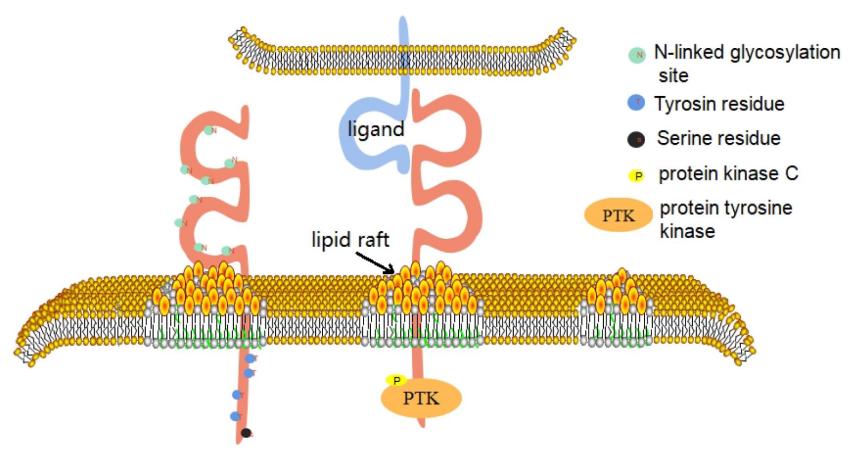 Fig. 1 CD226 consists of three domains.1
Key structural properties of CD226:
- Extracellular section contains two immune globulin structure domain
- Across the membrane area by a single alpha helix anchors is due to the cell membrane
- Intracellular section contains immune receptor tyrosine motif
- Glycosylation sites maintain protein stability and ligand recognition
Functions of CD226
The main function of CD226 is to act as a co-stimulatory receptor to regulate the activation of immune cells. However, it is also widely involved in various immunopathological processes, including tumor immune surveillance and the occurrence of autoimmune diseases.
| Function | Description |
| Activation of immune cells | After binding to the ligands CD155/CD112, it transmits co-stimulatory signals, promoting the proliferation and effector functions of T cells and NK cells. |
| Cytotoxicity | In NK cells and cytotoxic T cells, they directly participate in the killing process of target cells (such as tumor cells and virus-infected cells). |
| Regulation of platelet function | Expressed on the surface of platelets, involved in platelet activation and aggregation, affecting the process of thrombosis. |
| Autoimmune regulation | The abnormal activation or functional loss of its signaling pathways is associated with the pathogenesis of various autoimmune diseases, such as rheumatoid arthritis. |
| Immune checkpoint balance | Competitive binding of the same ligand with inhibitory receptors (such as TIGIT, CD96) constitutes a fine immune regulatory network. |
The signal transduction of CD226 depends on the phosphorylation of the tyrosine motif of its intracellular immune receptor, which antagonizes receptors such as TIGIT with inhibitory signals and jointly determines the final activation state of the immune synapse, demonstrating its key role in immune balance.
Applications of CD226 and CD226 Antibody in Literature
1. Yeo, Jinah, et al. "TIGIT/CD226 axis regulates anti-tumor immunity." Pharmaceuticals 14.3 (2021): 200. https://doi.org/10.3390/ph14030200
The article indicates that CD226, as an immune-activating receptor, competes with the inhibitory receptor TIGIT for binding ligands and plays a key role in anti-tumor immunity. Targeting the CD226 signaling axis has emerged as a new strategy for enhancing the efficacy of immunotherapy, especially showing great potential in combination with PD-1/PD-L1 blocking.
2. Zhang, Yuan, et al. "CD226 implicated in Akt-dependent apoptosis of CD4+ T cell contributes to asthmatic pathogenesis." Cell Death & Disease 15.9 (2024): 705. https://doi.org/10.1038/s41419-024-07080-z
This study reveals the crucial role of CD226 in the pathogenesis of asthma. CD226 is highly expressed in CD4+ T cells of asthma patients. Its absence can alleviate airway inflammation and remodeling in allergic asthma models by promoting AkT-dependent apoptosis. Targeting CD226 provides a new approach for the treatment of asthma.
3. Conner, Michael, et al. "Emergence of the CD226 axis in cancer immunotherapy." Frontiers in Immunology 13 (2022): 914406. https://doi.org/10.3389/fimmu.2022.914406
This study reveals that the immune receptor axis centered on CD226 (including TIGIT, CD96, etc.) plays a key role in synergistic stimulation or inhibition in tumor immunity through competitive binding with ligands such as CD155. This axis has become a new focus in cancer immunotherapy, and the research and development of related targeted drugs is developing rapidly.
4. Jo, Yunju, et al. "Revisiting T-cell adhesion molecules as potential targets for cancer immunotherapy: CD226 and CD2." Experimental & Molecular Medicine 56.10 (2024): 2113-2126. https://doi.org/10.1038/s12276-024-01317-9
This study reveals that CD226 is a co-stimulatory receptor expressed in T cells and NK cells, playing a key role in anti-tumor immunity. It not only enhances T cell activity and overcomes exhaustion, but also works synergistically with anti-TiGIT therapy, providing a new target strategy for overcoming drug resistance in existing immunotherapy.
5. Huang, Zhiyi, et al. "CD226: an emerging role in immunologic diseases." Frontiers in cell and developmental biology 8 (2020): 564. https://doi.org/10.3389/fcell.2020.00564
The article indicates that CD226 is an immunoglobulin superfamily protein expressed in NK cells and T cells, and participates in immune activation through a dimer structure. Research has found that it plays a key role in autoimmune diseases, infections and tumorigenesis, providing an important foundation for related disease research.
Creative Biolabs: CD226 Antibodies for Research
Creative Biolabs specializes in the production of high-quality CD226 antibodies for research and industrial applications. Our portfolio includes monoclonal antibodies tailored for ELISA, Flow Cytometry, Western blot, immunohistochemistry, and other diagnostic methodologies.
- Custom CD226 Antibody Development: Tailor-made solutions to meet specific research requirements.
- Bulk Production: Large-scale antibody manufacturing for industry partners.
- Technical Support: Expert consultation for protocol optimization and troubleshooting.
- Aliquoting Services: Conveniently sized aliquots for long-term storage and consistent experimental outcomes.
For more details on our CD226 antibodies, custom preparations, or technical support, contact us at email.
Reference
- Huang, Zhiyi, et al. "CD226: an emerging role in immunologic diseases." Frontiers in cell and developmental biology 8 (2020): 564. https://doi.org/10.3389/fcell.2020.00564
Anti-CD226 antibodies
 Loading...
 Compare




Hot products 
-
Mouse Anti-CECR2 Recombinant Antibody (CBWJC-2465) (CBMAB-C3533WJ)

-
Rabbit Anti-CCL5 Recombinant Antibody (R0437) (CBMAB-R0437-CN)

-
Mouse Anti-FAS2 Monoclonal Antibody (1D4) (CBMAB-0071-CN)

-
Mouse Anti-GGT1 Recombinant Antibody (1F9) (CBMAB-G3273-LY)

-
Rat Anti-FABP3 Recombinant Antibody (CBXF-2299) (CBMAB-F1612-CQ)

-
Mouse Anti-ENO1 Recombinant Antibody (CBYC-A950) (CBMAB-A4388-YC)

-
Mouse Anti-GST Recombinant Antibody (CBLG1-1938) (CBMAB-G5371-LY)

-
Mouse Anti-CCDC6 Recombinant Antibody (CBXC-0106) (CBMAB-C5397-CQ)

-
Mouse Anti-FOXL1 Recombinant Antibody (CBXF-0845) (CBMAB-F0462-CQ)

-
Mouse Anti-ADGRE5 Recombinant Antibody (V2-360335) (CBMAB-C2088-CQ)

-
Mouse Anti-GOLGA2 Recombinant Antibody (2C10) (CBMAB-G0602-LY)

-
Mouse Anti-FOSB Recombinant Antibody (CBXF-3593) (CBMAB-F2522-CQ)

-
Mouse Anti-BrdU Recombinant Antibody (IIB5) (CBMAB-1038CQ)

-
Rabbit Anti-BAD (Phospho-Ser136) Recombinant Antibody (CAP219) (CBMAB-AP536LY)

-
Mouse Anti-AKT1 Recombinant Antibody (V2-180546) (CBMAB-A2070-YC)

-
Mouse Anti-CCL18 Recombinant Antibody (64507) (CBMAB-C7910-LY)

-
Mouse Anti-ACO2 Recombinant Antibody (V2-179329) (CBMAB-A0627-YC)

-
Mouse Anti-DLG1 Monolconal Antibody (4F3) (CBMAB-0225-CN)

-
Mouse Anti-ABCA3 Recombinant Antibody (V2-178911) (CBMAB-A0145-YC)

-
Mouse Anti-ATP5F1A Recombinant Antibody (51) (CBMAB-A4043-YC)

- AActivation
- AGAgonist
- APApoptosis
- BBlocking
- BABioassay
- BIBioimaging
- CImmunohistochemistry-Frozen Sections
- CIChromatin Immunoprecipitation
- CTCytotoxicity
- CSCostimulation
- DDepletion
- DBDot Blot
- EELISA
- ECELISA(Cap)
- EDELISA(Det)
- ESELISpot
- EMElectron Microscopy
- FFlow Cytometry
- FNFunction Assay
- GSGel Supershift
- IInhibition
- IAEnzyme Immunoassay
- ICImmunocytochemistry
- IDImmunodiffusion
- IEImmunoelectrophoresis
- IFImmunofluorescence
- IGImmunochromatography
- IHImmunohistochemistry
- IMImmunomicroscopy
- IOImmunoassay
- IPImmunoprecipitation
- ISIntracellular Staining for Flow Cytometry
- LALuminex Assay
- LFLateral Flow Immunoassay
- MMicroarray
- MCMass Cytometry/CyTOF
- MDMeDIP
- MSElectrophoretic Mobility Shift Assay
- NNeutralization
- PImmunohistologyp-Paraffin Sections
- PAPeptide Array
- PEPeptide ELISA
- PLProximity Ligation Assay
- RRadioimmunoassay
- SStimulation
- SESandwich ELISA
- SHIn situ hybridization
- TCTissue Culture
- WBWestern Blot
