
ACOX1 Antibodies
Background
ACOX1 is a crucial flavoprotein enzyme present in the peroxisomes of eukaryotic cells. As the first rate-limiting enzyme in fatty acid β-oxidation, it mainly catalyzes the oxidation reactions of long-chain and extremely long-chain fatty acids. This enzyme maintains cellular energy homeostasis by participating in lipid metabolism, and its dysfunction can lead to fatty acid accumulation, thereby causing metabolic disorders or organ fibrosis. Mutations in the ACOX1 gene are associated with various diseases, including chronic interstitial fibrosis after kidney transplantation, hepatic steatosis, and progression of colorectal cancer. Studies have found that its expression is regulated by epigenetics and controlled by the transcription factor C/EBPα, and it can also serve as a target gene for miR-25-3p. With the development of structural biology, the catalytic mechanism and regulatory network of ACOX1 are gradually being clarified, providing new intervention targets for metabolic diseases and tumor treatment.
Structure of ACOX1
The molecular weight of ACOX1 protein varies among different species, and it mainly plays a catalytic role in peroxisomes.
| Species | Human | Rats | Mice |
| Molecular Weight (kDa) | 74.6 | 74.5 | 74.7 |
| Primary Structural Differences | Contains FAD binding domain | High homology | Conserved active site |
This enzyme is composed of approximately 660 amino acids and exists in a homodimeric form. Its structure includes an FAD binding domain and multiple α-helices, with a highly conserved active center. The substrate entry channel is composed of hydrophobic amino acids and has a specific recognition ability for long-chain fatty acids. The coenzyme FAD binds to the enzyme protein through non-covalent bonds and transmits electrons during the catalytic oxidation of fatty acids, ultimately generating hydrogen peroxide.
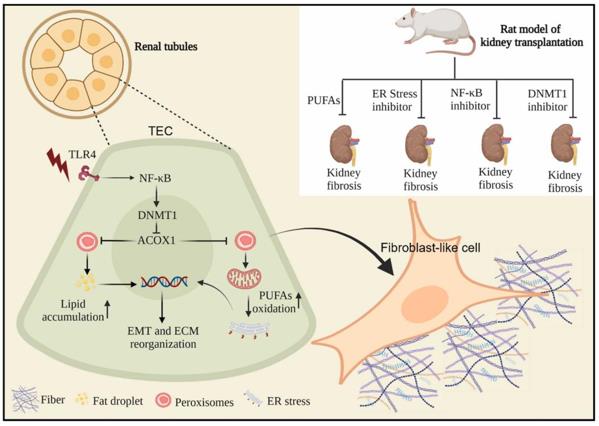 Fig. 1 Molecular docking results of five compounds from camellia seed cake extract with ACOX1.1
Key structural characteristics of ACOX1:
- Contains a FAD binding domain and multiple α-helices
- Functions as a homodimer to carry out catalytic activity
- The substrate binding pocket is composed of hydrophobic residues
- The active site contains conserved catalytic residues, involved in fatty acid oxidation
Functions of ACOX1
The main function of ACOX1 is to catalyze the β-oxidation of fatty acids in the peroxisome, initiating the catabolism of long-chain and very long-chain fatty acids.
| Function | Description |
| Fatty acid oxidation | As a rate-limiting enzyme, it catalyzes the oxidation of fatty acyl coenzyme A, generating trans-ene fatty acyl coenzyme A and hydrogen peroxide. |
| Energy metabolism | Participates in the breakdown of fatty acids, providing acetyl coenzyme A and energy to the cells. |
| Lipid homeostasis | Regulates the balance of lipid metabolism within the cells, preventing abnormal accumulation of fatty acids. |
| Signal regulation | Metabolic products participate in cell signal transduction, influencing inflammation and fibrosis processes. |
| Disease association | Functional abnormalities are closely related to metabolic disorders, fibrosis, and tumor occurrence. |
This enzyme shows substrate specificity for very long-chain fatty acids, and its activity is regulated by transcriptional control and post-translational modifications.
Applications of ACOX1 and ACOX1 Antibody in Literature
1. Zhang, Yang-He, et al. "ACOX1 deficiency-induced lipid metabolic disorder facilitates chronic interstitial fibrosis development in renal allografts." Pharmacological Research 201 (2024): 107105. https://doi.org/10.1016/j.phrs.2024.107105
Studies have shown that the downregulation of ACOX1 leads to lipid metabolism disorders and mediates renal transplant fibrosis by promoting PUFA oxidation. It is regulated by the methylation of TLR4-NF-κB signaling, and PUFA supplementation can delay fibrosis, providing a new strategy for the intervention of chronic transplant kidney injury.
2. Lu, Dongliang, et al. "Liver ACOX1 regulates levels of circulating lipids that promote metabolic health through adipose remodeling." Nature communications 15.1 (2024): 4214. https://doi.org/10.1038/s41467-024-48471-2
Studies have shown that the peroxisomal β-oxidation mediated by ACOX1 in the liver regulates the overall metabolism. Knockout of this enzyme can improve obesity and insulin resistance, and the mechanism is related to the release of ω-3 very long-chain fatty acids, activation of fat GPR120 to promote heat production. This provides a new target for the treatment of metabolic disorders.
3. Zhang, Qiang, et al. "Reprogramming of palmitic acid induced by dephosphorylation of ACOX1 promotes β-catenin palmitoylation to drive colorectal cancer progression." Cell Discovery 9.1 (2023): 26. https://doi.org/10.1038/s41421-022-00515-x
Studies have shown that ACOX1 is under-expressed in colorectal cancer and predicts a poor prognosis. Its dephosphorylation and degradation lead to the accumulation of palmitic acid, which stabilizes β-catenin through palmitoylation and thereby promotes tumor progression. Targeting this axis (such as 2-BP or Nu-7441) provides a new strategy for the treatment of colorectal cancer.
4. Zhang, Feng, et al. "ACOX1, regulated by C/EBPα and miR-25-3p, promotes bovine preadipocyte adipogenesis." Journal of Molecular Endocrinology 66.3 (2021): 195-205. https://doi.org/10.1530/JME-20-0250
Research has shown that ACOX1 positively regulates the differentiation of adipocytes in bovine muscle. Its expression is directly inhibited by the transcription factor C/EBPα and is also targeted and regulated by miR-25-3p. This discovery reveals the regulatory mechanism of ACOX1 at the transcriptional and post-transcriptional levels, providing a molecular basis for improving the quality of beef.
5. Yang, Yuping, et al. "Inhibition of ACOX1 enhances the therapeutic efficacy of obeticholic acid in treating non-alcoholic fatty liver disease and mitigates its lipotoxicity." Frontiers in pharmacology 15 (2024): 1366479. https://doi.org/10.3389/fphar.2024.1366479
The study found that the absence of FXR leads to the upregulation of ACOX1, which is involved in the lipotoxicity caused by the bile acid analogue obeticholic acid. The combined use of ACOX1 inhibitors and low-dose obeticholic acid can effectively treat fatty liver and lower blood lipids by inhibiting the inflammatory pathways, providing a new therapeutic strategy.
Creative Biolabs: ACOX1 Antibodies for Research
Creative Biolabs specializes in the production of high-quality ACOX1 antibodies for research and industrial applications. Our portfolio includes monoclonal and polyclonal antibodies tailored for ELISA, Flow Cytometry, Western blot, immunohistochemistry, and other diagnostic methodologies.
- Custom ACOX1 Antibody Development: Tailor-made solutions to meet specific research requirements.
- Bulk Production: Large-scale antibody manufacturing for industry partners.
- Technical Support: Expert consultation for protocol optimization and troubleshooting.
- Aliquoting Services: Conveniently sized aliquots for long-term storage and consistent experimental outcomes.
For more details on our ACOX1 antibodies, custom preparations, or technical support, contact us at email.
Reference
- Zhang, Yang-He, et al. "ACOX1 deficiency-induced lipid metabolic disorder facilitates chronic interstitial fibrosis development in renal allografts." Pharmacological Research 201 (2024): 107105. Distributed under Open Access license CC BY 4.0, without modification. https://doi.org/10.1016/j.phrs.2024.107105
Anti-ACOX1 antibodies
 Loading...
 Compare




Hot products 
-
Mouse Anti-AMIGO2 Recombinant Antibody (CBYY-C0756) (CBMAB-C2192-YY)

-
Mouse Anti-AAV8 Recombinant Antibody (V2-634028) (CBMAB-AP022LY)

-
Rabbit Anti-CCN1 Recombinant Antibody (CBWJC-3580) (CBMAB-C4816WJ)

-
Mouse Anti-GIPC2 Recombinant Antibody (10) (CBMAB-G0476-LY)

-
Mouse Anti-CD2AP Recombinant Antibody (BR083) (CBMAB-BR083LY)

-
Rabbit Anti-B2M Recombinant Antibody (CBYY-0059) (CBMAB-0059-YY)

-
Mouse Anti-BRCA2 Recombinant Antibody (CBYY-0790) (CBMAB-0793-YY)

-
Human Anti-SARS-CoV-2 Spike Recombinant Antibody (CBC05) (CBMAB-CR005LY)

-
Mouse Anti-14-3-3 Pan Recombinant Antibody (V2-9272) (CBMAB-1181-LY)

-
Rabbit Anti-CBL Recombinant Antibody (D4E10) (CBMAB-CP0149-LY)

-
Mouse Anti-BMI1 Recombinant Antibody (CBYC-P026) (CBMAB-P0108-YC)

-
Rabbit Anti-AKT3 Recombinant Antibody (V2-12567) (CBMAB-1057-CN)

-
Mouse Anti-FOSB Recombinant Antibody (CBXF-3593) (CBMAB-F2522-CQ)

-
Rabbit Anti-BAD (Phospho-Ser136) Recombinant Antibody (CAP219) (CBMAB-AP536LY)

-
Mouse Anti-CDKL5 Recombinant Antibody (CBFYC-1629) (CBMAB-C1689-FY)

-
Mouse Anti-CD24 Recombinant Antibody (SN3) (CBMAB-C1037-CQ)

-
Mouse Anti-CD46 Recombinant Antibody (CBFYC-0076) (CBMAB-C0085-FY)

-
Mouse Anti-ANXA7 Recombinant Antibody (A-1) (CBMAB-A2941-YC)

-
Mouse Anti-BIRC3 Recombinant Antibody (16E63) (CBMAB-C3367-LY)

-
Mouse Anti-ARG1 Recombinant Antibody (CBYCL-103) (CBMAB-L0004-YC)

- AActivation
- AGAgonist
- APApoptosis
- BBlocking
- BABioassay
- BIBioimaging
- CImmunohistochemistry-Frozen Sections
- CIChromatin Immunoprecipitation
- CTCytotoxicity
- CSCostimulation
- DDepletion
- DBDot Blot
- EELISA
- ECELISA(Cap)
- EDELISA(Det)
- ESELISpot
- EMElectron Microscopy
- FFlow Cytometry
- FNFunction Assay
- GSGel Supershift
- IInhibition
- IAEnzyme Immunoassay
- ICImmunocytochemistry
- IDImmunodiffusion
- IEImmunoelectrophoresis
- IFImmunofluorescence
- IGImmunochromatography
- IHImmunohistochemistry
- IMImmunomicroscopy
- IOImmunoassay
- IPImmunoprecipitation
- ISIntracellular Staining for Flow Cytometry
- LALuminex Assay
- LFLateral Flow Immunoassay
- MMicroarray
- MCMass Cytometry/CyTOF
- MDMeDIP
- MSElectrophoretic Mobility Shift Assay
- NNeutralization
- PImmunohistologyp-Paraffin Sections
- PAPeptide Array
- PEPeptide ELISA
- PLProximity Ligation Assay
- RRadioimmunoassay
- SStimulation
- SESandwich ELISA
- SHIn situ hybridization
- TCTissue Culture
- WBWestern Blot
