
TRAF6 Antibodies
Background
TRAF6 is a crucial intracellular adaptor protein that mainly participates in the transduction of innate and adaptive immune signals. This protein exerts E3 ubiquitin ligase function through its N-terminal RING domain, and can mediate the ubiquitination modification of itself and downstream proteins, thereby activating signaling pathways such as NF-κB and MAPK, and regulating inflammatory responses, cell survival and differentiation. In mammals, TRAF6 is crucial for the conduction of immune receptors (such as the TLR/IL-1R family) and bone metabolism-related signals (such as RANKL). Its dysfunction is closely related to autoimmune diseases, osteoporosis and tumor occurrence. Since its identification in 1996, its multi-level regulatory mechanisms (including oligomerization, subcellular localization and post-translational modifications) have become a paradigm in the study of immune signaling networks, providing an important theoretical basis for the development of targeted therapeutic strategies.
Structure of TRAF6
TRAF6 is an intracellular signal transduction protein with a molecular weight of approximately 60 kDa. This molecular weight is relatively conserved among different mammalian species, but there are subtle differences caused by gene splicing or post-translational modifications (such as ubiquitination). The protein structure is mainly composed of multiple functional domains: the N-terminal RING domain is responsible for the E3 ubiquitin ligase activity, followed by the zinc finger domain and the coiled-coil region, and the C-terminal contains the characteristic MATH domain of the TRAF family, which mediates the interaction with upstream receptors. This protein functions by forming a trimer, and its RING domain can catalyze the formation of K63-linked ubiquitin chains, which is crucial for its activation of downstream NF-κB and MAPK signaling pathways. The conserved MATH domain binds to the intracellular segment of specific receptors (such as CD40, RANK), which is the structural basis for triggering the signaling cascade related to immunity and bone metabolism.
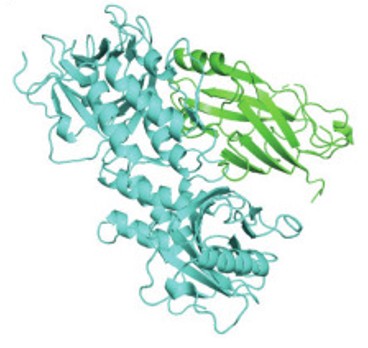 Fig. 1 Download the protein structures of TRAF6 (1LB4).1
Key structural properties of TRAF6:
- Containing a RING domain and having E3 ubiquitin ligase activity
- With a typical zinc finger domain, it participates in protein interactions
- Containing a conservative TRAF domain (TRAF-C domain)
- Activate downstream signaling pathways by forming homologous or heterologous polymers
- Key cysteine residues in the structure are essential for maintaining its enzymatic activity and stability
Functions of TRAF6
The core function of the TRAF6 protein is to act as a crucial signaling transduction hub, participating in the regulation of various immune and inflammatory response pathways. The specific functions and mechanisms are as follows:
| Function | Description |
| Immune Signal Transduction | As a key adaptor protein downstream of pattern recognition receptors such as TLR/IL-1R, it mediates the activation of the innate immune response. |
| NF-κB Pathway Activation | By its E3 ubiquitin ligase activity, it catalyzes the formation of K63-linked polyubiquitin chains, recruits and activates the TAK1 complex, and thereby initiates the NF-κB signaling cascade reaction. |
| MAPK Pathway Regulation | It also activates the MAPK pathway through a ubiquitination-dependent mechanism, influencing cell proliferation, differentiation and the production of inflammatory factors. |
| Bone Metabolism Regulation | It plays a central role in the RANKL-RANK signaling pathway, promoting the differentiation of osteoclasts and bone remodeling. |
| Autophagy and Cell Survival | Participates in the process of selective autophagy and influences the balance between cell survival and death by regulating signals such as AKT. |
Unlike myoglobin in the template which has a single and clear oxygen-binding function, the function of TRAF6 exhibits significant "signal network integration characteristics" - its activity is precisely regulated at multiple levels such as phosphorylation, ubiquitination, oligomerization and subcellular localization, and can dynamically direct differentiated downstream biological effects according to different upstream signals and cellular environments, demonstrating its central role in maintaining immune homeostasis and the occurrence of diseases.
Applications of TRAF6 and TRAF6 Antibody in Literature
1. Chen, Shitong, et al. "Targeting TRAF6/IRF3 axis to inhibit NF-κB-p65 nuclear translocation enhances the chemosensitivity of 5-FU and reverses the proliferation of gastric cancer." Cell Death & Disease 15.12 (2024): 924. https://doi.org/10.1038/s41419-024-07290-5
This study reveals that TRAF6 modifies IRF3 through K48 ubiquitination, reducing its stability, thereby promoting the nuclear translocation of NF-κB-p65, leading to the development of resistance of gastric cancer cells to 5-FU. Inhibiting TRAF6 can restore chemosensitivity, providing a new target for overcoming drug resistance.
2. Liu, Xiang-Dong, et al. "TRAF6 promotes osteogenesis in ADSCs through Raf-Erk-Merk-Hif1-a pathway." Adipocyte 12.1 (2023): 2193280. https://doi.org/10.1080/21623945.2023.2193280
The research found that overexpressing TRAF6 in adipose-derived mesenchymal stem cells can significantly enhance their proliferation, migration and osteogenic differentiation capabilities by activating the Raf-Erk-Merk-Hif1a pathway. The application of cell sheets overexpressing TRAF6 can effectively promote the healing of large-sized bone defects.
3. Zeng, Feier, et al. "TRAF6 as a potential target in advanced breast cancer: A systematic review, meta-analysis, and bioinformatics validation." Scientific Reports 13.1 (2023): 4646. https://doi.org/10.1038/s41598-023-31557-0
Research has found that a review of breast cancer studies indicates that inhibiting TRAF6 or TRAF2/4 can reduce the migration, invasion and growth of cancer cells; among them, only inhibiting TRAF6 can significantly reduce tumor proliferation and metastasis, and its high expression is associated with poor prognosis in patients, suggesting that TRAF6 inhibitors have potential in the treatment of metastatic breast cancer.
4. Du, Yingying, et al. "REGγ is essential to maintain bone homeostasis by degrading TRAF6, preventing osteoporosis." Proceedings of the National Academy of Sciences 121.47 (2024): e2405265121.https://doi.org/10.1073/pnas.2405265121
The study found that the CKII inhibitor TTP22 promotes the dephosphorylation of NIP30, activates the REGγ-20S proteasome to degrade TRAF6 in a non-ubiquitin-dependent manner, thereby inhibiting the activity of osteoclasts. This provides a new target and strategy for the treatment of osteoporosis.
5. Zhao, Yu, et al. "TRAF6 promotes spinal microglial M1 polarization to aggravate neuropathic pain by activating the c-JUN/NF-kB signaling pathway." Cell Biology and Toxicology 40.1 (2024): 54. https://doi.org/10.1007/s10565-024-09900-6
This study reveals that in neuropathic pain, TRAF6 activates the c-JUN/NF-κB pathway, driving microglia to polarize towards the M1 pro-inflammatory phenotype, thereby exacerbating neuroinflammation and hyperalgesia. Targeted inhibition of TRAF6 can effectively alleviate pain, providing a new potential therapeutic target for the treatment of this disease.
Creative Biolabs: TRAF6 Antibodies for Research
Creative Biolabs specializes in the production of high-quality TRAF6 antibodies for research and industrial applications. Our portfolio includes monoclonal antibodies tailored for ELISA, Flow Cytometry, Western blot, immunohistochemistry, and other diagnostic methodologies.
- Custom TRAF6 Antibody Development: Tailor-made solutions to meet specific research requirements.
- Bulk Production: Large-scale antibody manufacturing for industry partners.
- Technical Support: Expert consultation for protocol optimization and troubleshooting.
- Aliquoting Services: Conveniently sized aliquots for long-term storage and consistent experimental outcomes.
For more details on our TRAF6 antibodies, custom preparations, or technical support, contact us at email.
Reference
- Chen, Shitong, et al. "Targeting TRAF6/IRF3 axis to inhibit NF-κB-p65 nuclear translocation enhances the chemosensitivity of 5-FU and reverses the proliferation of gastric cancer." Cell Death & Disease 15.12 (2024): 924. Distributed under the same Creative Commons license CC BY 4.0 as the original. Cropped from the original figure.https://doi.org/10.1038/s41419-024-07290-5
Anti-TRAF6 antibodies
 Loading...
 Compare




Hot products 
- AActivation
- AGAgonist
- APApoptosis
- BBlocking
- BABioassay
- BIBioimaging
- CImmunohistochemistry-Frozen Sections
- CIChromatin Immunoprecipitation
- CTCytotoxicity
- CSCostimulation
- DDepletion
- DBDot Blot
- EELISA
- ECELISA(Cap)
- EDELISA(Det)
- ESELISpot
- EMElectron Microscopy
- FFlow Cytometry
- FNFunction Assay
- GSGel Supershift
- IInhibition
- IAEnzyme Immunoassay
- ICImmunocytochemistry
- IDImmunodiffusion
- IEImmunoelectrophoresis
- IFImmunofluorescence
- IGImmunochromatography
- IHImmunohistochemistry
- IMImmunomicroscopy
- IOImmunoassay
- IPImmunoprecipitation
- ISIntracellular Staining for Flow Cytometry
- LALuminex Assay
- LFLateral Flow Immunoassay
- MMicroarray
- MCMass Cytometry/CyTOF
- MDMeDIP
- MSElectrophoretic Mobility Shift Assay
- NNeutralization
- PImmunohistologyp-Paraffin Sections
- PAPeptide Array
- PEPeptide ELISA
- PLProximity Ligation Assay
- RRadioimmunoassay
- SStimulation
- SESandwich ELISA
- SHIn situ hybridization
- TCTissue Culture
- WBWestern Blot
